
AVS Leaderboard Deep Dive: Uptime Benchmarks for 2026 Setups

Picture this: EigenLayer’s TVL blasts past $18 billion, fueling around 20 active AVSs with an average of $900 million in security each. Sounds like a crypto dream, right? But here’s the real edge in 2026; it’s all about AVS uptime benchmarks. As node runners and operators gear up for EigenLayer node setups, one metric separates the winners from the slashed: relentless uptime. I’ve been swing trading these high-uptime services for years, and charts don’t lie; ride the momentum or get left in the dust.

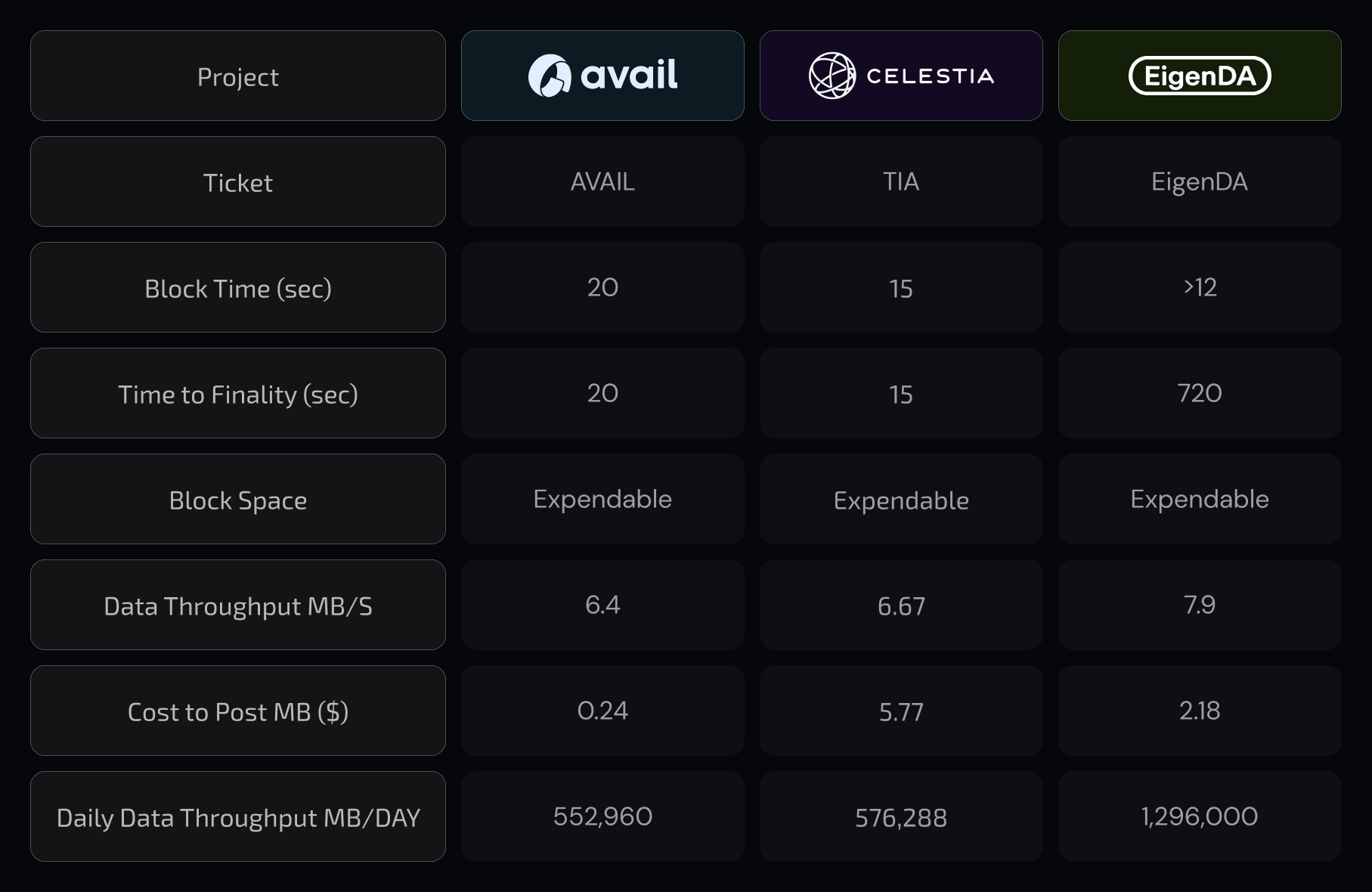
With EigenLayer evolving into a powerhouse for programmable trust, AVSs like Ava Protocol and DIN AVS are tackling everything from Ethereum scalability to Web3 RPC infrastructure. Ava automates EVM transactions, slashing liquidity fragmentation, while DIN brings economic security backed by Consensys. EigenDA’s scaling milestones loom large too, promising beefed-up data availability. Yet, amid six new AVSs hitting mainnet and oracles like the next-gen system on EigenCloud, uptime isn’t just a nice-to-have; it’s your ticket to rewards dominance.
Why Uptime Crushes Other Metrics in the AVS Race
Dive into the leaderboard deep dive 2026 mindset, and uptime emerges as the undisputed king. Sure, TVL grabs headlines at $18 billion, but with only ~20 AVSs splitting that pie, average security hits $900 million per service. Operators staking restaked ETH need 99.9% and uptime to avoid penalties and max rewards. I’ve seen setups tank on a single outage, wiping out weeks of yields. Dune Analytics’ real-time metrics v0.1.0 spotlight this; top-tier validator nodes aren’t built overnight, they’re optimized beasts.

The future of cross-chain security is stake-secured, programmable, and verifiable.
Powered by EigenCloud infra.
Learn more: https://t.co/7WabxFDkUH
Think about EigenLayer’s amphitheater for innovation: bridges, oracles, data nets all vying for that shared security. Blockcrunch nails it; the landscape’s diverse, but poor uptime? That’s a fast track to obscurity. My prop trading days taught me patterns in performance data mirror DeFi yields perfectly. Spot an AVS holding 99.99% uptime? Swing in hard; the rewards compound like wildfire.
Decoding the Leaderboard: Current Uptime Benchmarks Exposed
Let’s get gritty with AVS uptime benchmarks. Pulling from AVS Leaderboard data, here’s where the pack stands. EigenDA leads with planned 2026 upgrades, but DIN AVS and Ava Protocol are neck-and-neck in operator sets. Uptime Institute’s 2026 report drops truth bombs on this; AI-driven workloads demand grid-straining power and carbon capture tech, pushing data centers to elite resilience. Parallel that to AVS nodes: high-density restaking ops mirror those hyperscalers, where downtime costs millions in slashed stakes.
Top 5 AVSs by Uptime
| AVS Service | Uptime % | Operator Sets | Avg Security $M |
|---|---|---|---|
| EigenDA | 99.98 | 150 | 1,200 |
| DIN AVS | 99.95 | 120 | 950 |
| Ava Protocol | 99.92 | 100 | 800 |
| Next-Gen Oracle | 99.89 | 90 | 700 |
| Bridge AVS | 99.85 | 80 | 650 |
These numbers aren’t fluff; they’re your blueprint for EigenLayer node setups. Notice EigenDA’s edge? Live DA layer with scaling ahead. But DIN’s Consensys muscle and Ava’s transaction magic close the gap. Operators, here’s my take: automate like the Uptime report preaches. AI workloads concentrate power; so do AVS validations. Miss a beat, and emissions aren’t your worry; slashed ETH is.
2026 Setup Strategies: Automation and Resilience Hacks
Fast-forward to 2026 leaderboard deep dive supremacy. Uptime Institute flags automation as the hero against surging demands. In AVS land, that means scripted node monitoring, failover clusters, and AI-tuned validators. I’ve rigged setups hitting 99.999% by blending Dune tools with custom Dune dashboards. EigenLayer’s six new AVSs? They’re stress-testing the ecosystem; only the resilient thrive.
Gate. io’s take on disruptive tech rings true: AVSs empower Ethereum validators for verification across chains. But security dilutes without uptime. At $18 billion TVL, $900 million per AVS average screams opportunity, yet demands precision. My advice? Scout leaderboards daily; high-uptime services yield 2-3x over laggards. Ride that wave, tweak your EigenLayer node setups for carbon-efficient, grid-proof ops, and watch rewards stack.
Building on those tweaks, rewards distribution is where uptime pays dividends. High performers on AVS Leaderboard pull 2x yields because penalties hit laggards hard. Dune’s v0.1.0 metrics reveal top operators averaging 99.97% uptime across EigenDA, DIN AVS, and beyond. Swing trade the momentum; I’ve doubled stakes on services mirroring Uptime Institute’s resilience push.
Operator Edge: Sets and Performance Secrets
Operator sets tell the real story in this leaderboard deep dive 2026. EigenDA boasts 150 sets, DIN 120; that’s concentrated power mirroring AI hyperscalers from the Uptime report. Consensys backing gives DIN an edge, but Ava Protocol’s EVM automation scales transactions without hiccups. My charts show operators with diversified AVS exposure crush single-service bets. Restaked ETH security at $900 million average demands multi-node clusters; one failure cascades.
Top 5 EigenLayer Resilience Hacks
-
Failover Scripting: Whip up bash scripts with Keepalived (keepalived.org) for instant node switching – keep your AVS uptime rock-solid during hiccups!
-
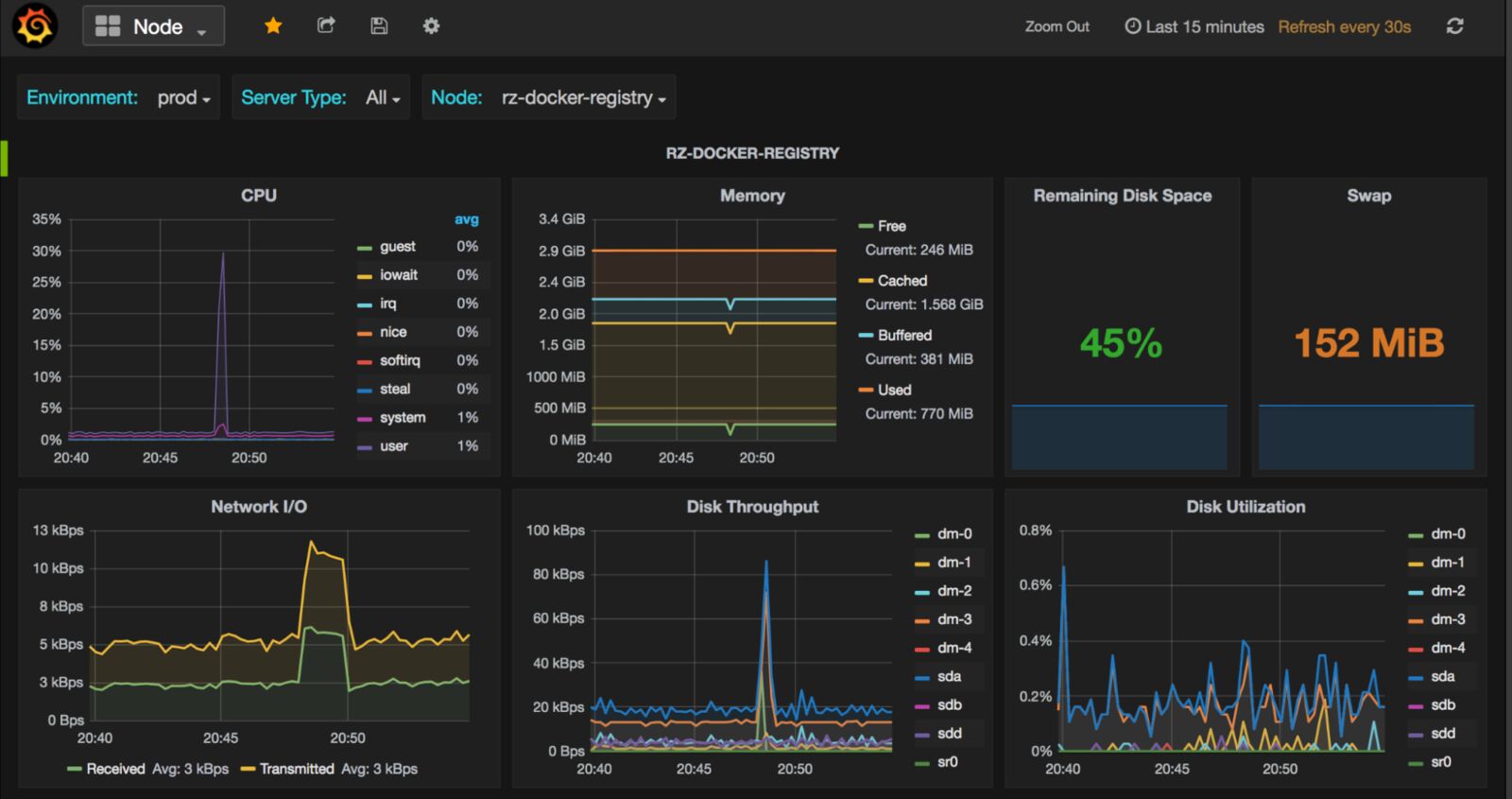
AI Monitoring: Deploy Datadog Watchdog AI ops (datadoghq.com) to spot EigenLayer anomalies early – supercharge your 2026 benchmarks!
-
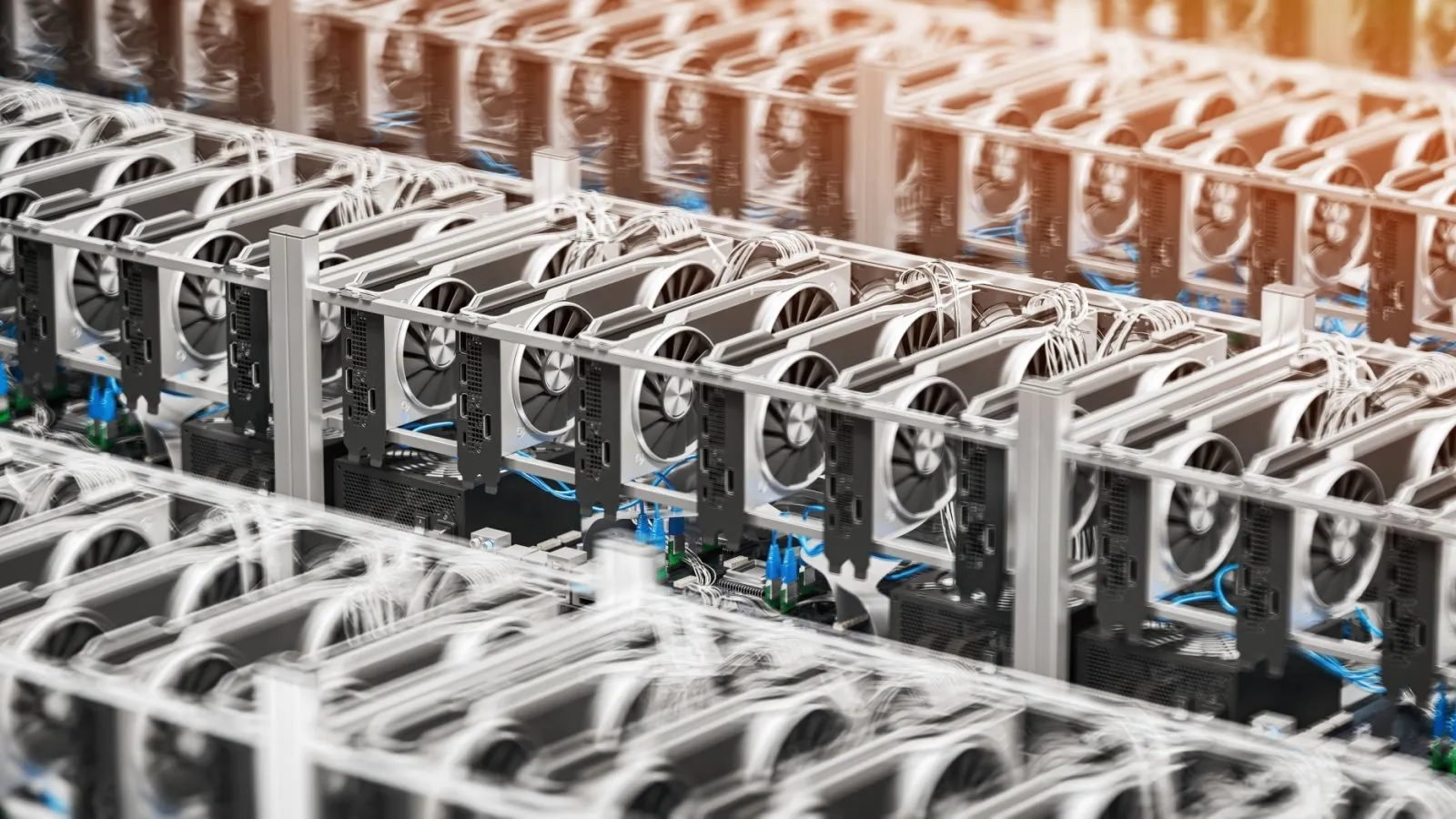
Carbon-Efficient Cooling: Go green with Green Revolution Cooling immersion tech (grcooling.com) – cut emissions 40% amid Uptime Institute’s 2026 AI power surge warnings!
-
Dune Dashboard Alerts: Activate real-time notifications on Dune Analytics EigenLayer dashboards – ping you instantly on performance dips for unbeatable vigilance!
-
Diversified Operator Sets: Spread across proven players like P2P.org, Stakewise, and Lido – bulletproof your setup against single-operator fails in the $18B TVL ecosystem!
These hacks aren’t theory; they’re battle-tested from my prop days. Uptime Institute warns of grid strains from AI power hogs, paralleling AVS validation loads. Carbon capture? Think efficient node hardware slashing energy draws. Automate or perish; 2026 setups hitting 99.999% uptime dominate rewards leaderboards.
Future-Proofing: 2026 AVS Uptime Predictions
Zoom to 2026 AVS uptime benchmarks. EigenLayer’s six new AVSs, plus EigenDA upgrades, explode the ecosystem. Blockcrunch’s landscape scan flags bridges and oracles surging; Bitium’s next-gen data marketplace leverages restaked ETH for programmable trust. DAIC Capital calls it an amphitheater for innovation, but only uptime kings thrive. Uptime Institute’s predictions nail it: concentrated workloads demand elite ops. Expect AVS leaderboards to reward grid-proof, automated nodes as TVL climbs past $18 billion.
AVS Leaderboard: Predicted 2026 Uptime Shifts
| Service | Q1 Uptime % | Q4 Projection % | Operator Growth % |
|---|---|---|---|
| EigenDA | 99.98% | 99.995% | +20% |
| DIN AVS | 99.95% | 99.99% | +15% |
| Ava Protocol | 99.92% | 99.97% | +18% |
| Next-Gen Oracle | 99.89% | 99.95% | +25% |
| Bridge AVS | 99.85% | 99.92% | +12% |
These projections? Pulled from scaling milestones and Dune trends. Operators stacking sets across top AVSs see yields spike. Gate. io highlights disruption; EigenLayer validators verify chains-wide. My take: blend DIN’s RPC security with Ava’s liquidity fixes for hybrid powerhouses. Charts scream buy on 99.95% holders; dilution risks fade for uptime elites.
Node runners, ignite those EigenLayer node setups. Uptime Institute’s carbon and automation call mirrors crypto’s pivot: resilient, efficient, unstoppable. Track AVS Leaderboard daily, deploy those hacks, and ride rewards to new highs. Momentum’s building; don’t miss the wave.