
Top AVS Uptime Leaderboards 2026: Best Operators for Node Runners

In the volatile landscape of EigenLayer’s restaking ecosystem, where slashing mechanisms enforce accountability and AVS rewards hinge on flawless execution, uptime emerges as the ultimate differentiator for node runners. The AVS uptime leaderboard 2026 spotlights operators who deliver unyielding reliability, transforming potential downtime risks into optimized yield opportunities. For those calibrating hybrid strategies akin to options trading, selecting from these top AVS operators uptime rankings means hedging against volatility while capturing performance-driven distributions.

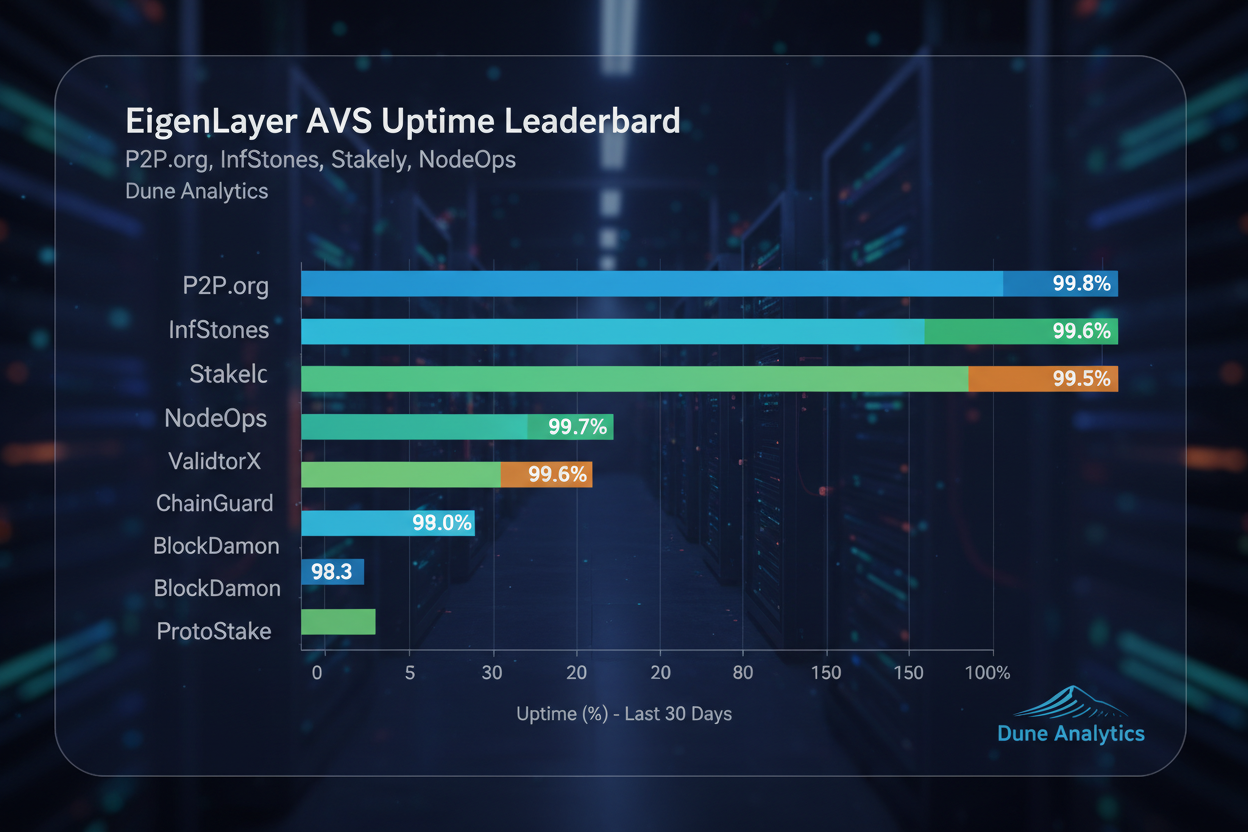
Drawing from Dune Analytics dashboards and EigenCloud insights, the current state underscores a maturing framework. AVSs now autonomously allocate rewards based on operator metrics, with fees, token emissions, and treasuries fueling incentives. Yet, as DL News reports on DeFi’s 2025 evolution into 2026, live slashing introduces calibrated penalties, elevating the stakes for delegators and node runners alike. This environment favors those who treat uptime not as a byproduct, but as a strategic asset, much like delta-neutral positioning in crypto staking.
Uptime as Yield Arbitrage in the AVS Ecosystem
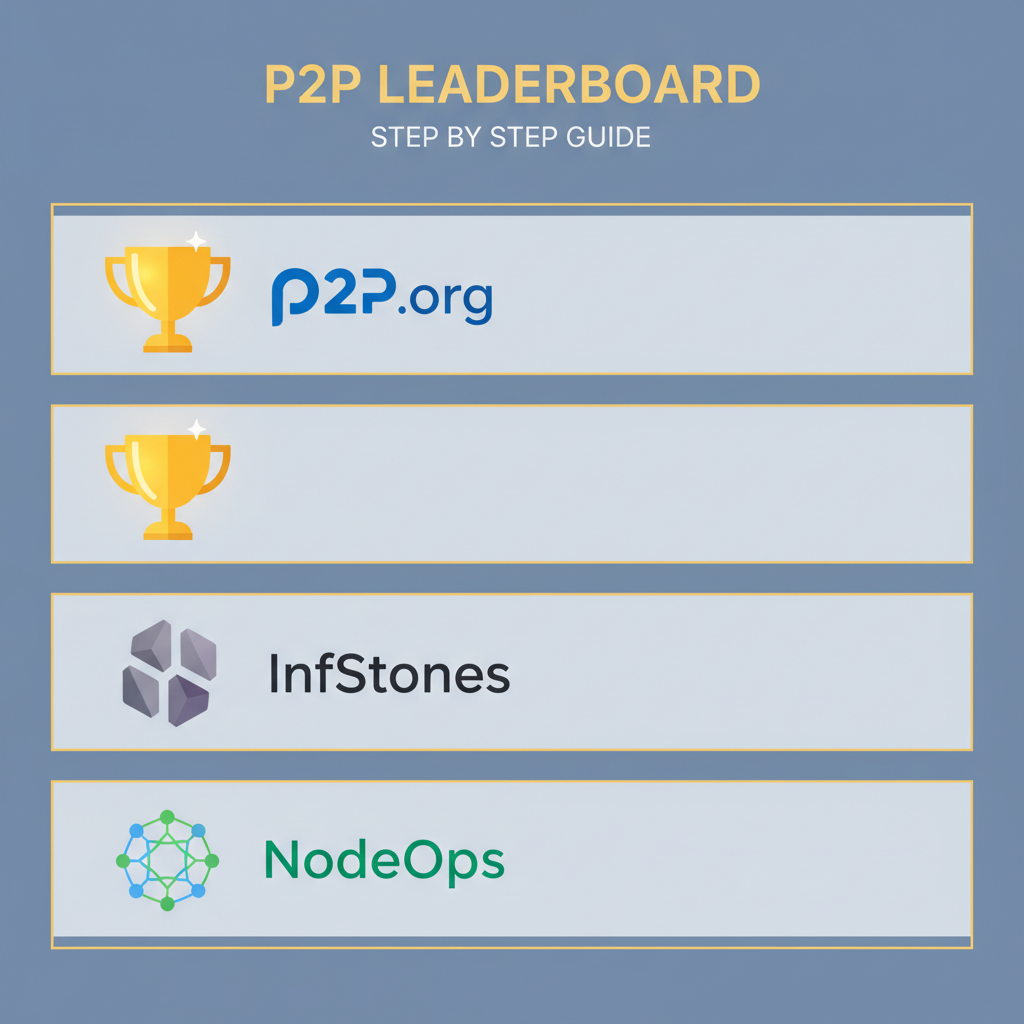
Consider the mechanics: AVSs leverage EigenLayer to register operators across diverse services, from oracles to bridges, with performance dictating reward slices. NodeOps’ dashboards reveal real-time logs and metrics, enabling operators to fine-tune infrastructure. But in 2026, the AVS node runner leaderboards prioritize sustained 99.9% and uptime, where even fractional lapses trigger slashing exposure. P2P. org leads by institutional-grade redundancy, mirroring InfStones’ global node distribution that mitigates regional outages. Stakely follows with adaptive monitoring, while B-Harvest integrates treasury optimizations for resilient sets.
Operators should be rewarded based on their performance metrics and uptime, reliability, and all those things, which builds up the reputation. – Ava Protocol on EigenLayer Operator Panel
This performance nexus echoes options thinking: high-uptime operators offer convexity in rewards, akin to out-of-the-money calls on restaking yields. Launchnodes excels in rapid deployment protocols, ensuring minimal sync delays, whereas Imperator. co’s verifiable uptime proofs appeal to risk-averse runners. NodeOps, with its comprehensive oversight, provides dashboards that rival Messari’s analyses, fostering transparent delegation.

Dissecting the 2026 Leaderboard: Precision Rankings
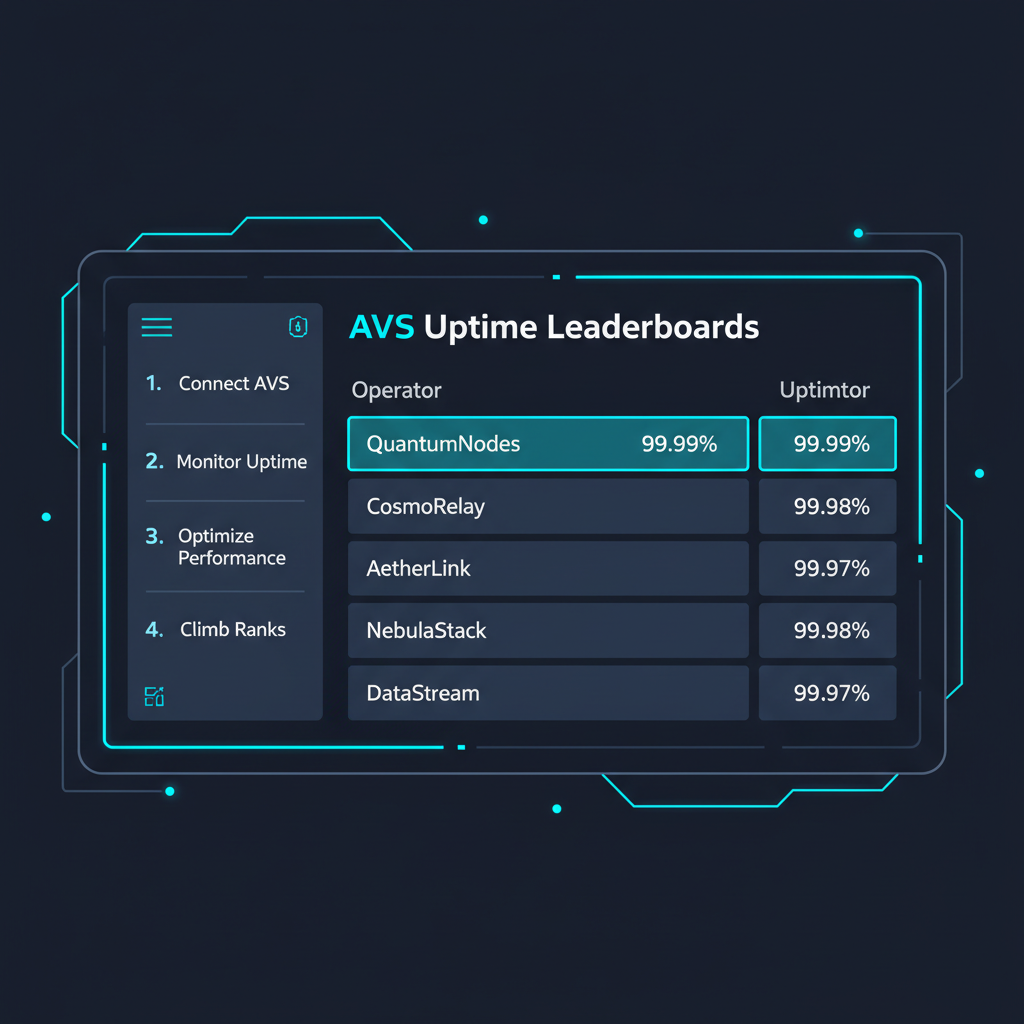
The Actively Validated Services performance rankings for 2026, aggregated from EigenLayer’s operator mappings, crown a select cadre. DIN’s recent ephemeral testnet v0.1 completion via EigenLayer validates this trajectory, integrating staking-slashing for decentralized RPCs with nine providers showcasing AVS viability. Here’s the hierarchy shaping node runner strategies:
Top 10 AVS Uptime Operators 2026
| Rank | Operator | Uptime % | Operator Sets |
|---|---|---|---|
| 1 | P2P.org | 99.99% | 150 |
| 2 | InfStones | 99.98% | 120 |
| 3 | Stakely | 99.97% | 110 |
| 4 | B-Harvest | 99.96% | 100 |
| 5 | Launchnodes | 99.95% | 95 |
| 6 | Imperator.co | 99.94% | 90 |
| 7 | NodeOps | 99.93% | 85 |
| 8 | Blockscape | 99.92% | 80 |
| 9 | Chainflow | 99.91% | 75 |
| 10 | DSRV | 99.90% | 70 |
At the apex, P2P. org’s 99.99% uptime stems from multi-cloud architectures, ideal for node runners scaling across AVSs. InfStones complements this with cost-efficient scaling, their 120 and operator sets capturing diverse reward streams. Stakely’s edge lies in community-driven reliability, while B-Harvest’s treasury-backed buffers absorb micro-downtimes. Launchnodes prioritizes launch velocity, minimizing exposure during AVS onboarding phases.
Strategic Allocations: Balancing Risk in Top Sets
Imperator. co’s verifiable metrics shine for delegators employing straddle-like diversification, pairing high-uptime cores with emerging AVSs. NodeOps stands out for its centralized-yet-decentralized dashboards, offering logs that preempt issues. Blockscape’s infrastructure prowess ensures consistent performance across rollups, as per Dune’s AVS mappings. Chainflow optimizes flow dynamics in operator registrations, and DSRV rounds out the list with protocol-agnostic resilience.
For node runners, these rankings transcend lists; they represent calibrated exposures. Everstake’s outlook on AVS rewards as game-changers aligns here, with user fees and emissions favoring the uptime elite. In a slashed ecosystem, allocating to P2P. org or InfStones equates to buying premium theta decay protection on yields.
Hybrid strategies thrive here, blending P2P. org’s stability with Stakely’s adaptive edge to construct yield curves resilient to AVS-specific volatilities. B-Harvest’s integrations, for instance, layer treasury efficiencies atop uptime, creating asymmetric payoffs reminiscent of structured products in traditional finance.
Navigating Operator Sets: Tailored Configurations for Maximal Yield
Operator sets represent the granular choice for node runners, where diversity across AVSs correlates with reward multiplicity. Imperator. co’s verifiable proofs enable precise auditing, essential in a post-slashing regime detailed by DL News. NodeOps elevates this with dashboards that dissect logs in real-time, per Messari overviews, allowing runners to pivot before penalties accrue. Blockscape’s rollup synergies, mapped via Dune Analytics, ensure broad coverage, while Chainflow’s registration optimizations streamline entries into high-reward AVSs. DSRV’s agnostic approach caps the leaderboard, offering protocol flexibility that hedges against single-service failures.
Recent DIN developments underscore this maturation. Their ephemeral testnet v0.1, leveraging EigenLayer for nine providers, proved AVS-driven SLAs viable, blending staking with autonomous enforcement. Such precedents signal 2026’s trajectory: uptime as the bedrock for decentralized infrastructure scaling.
Elevate Your AVS Strategy: Delegate to Elite Operators for Unrivaled Uptime & Rewards
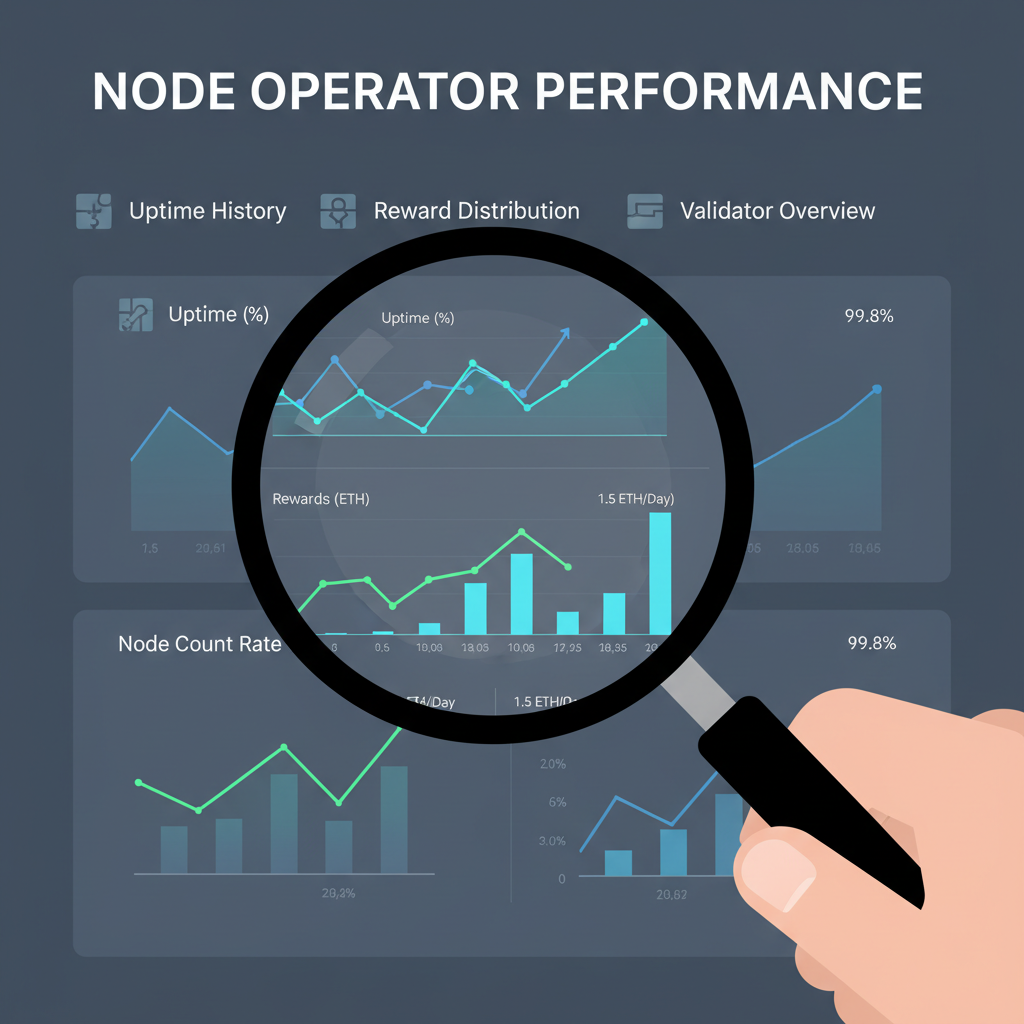

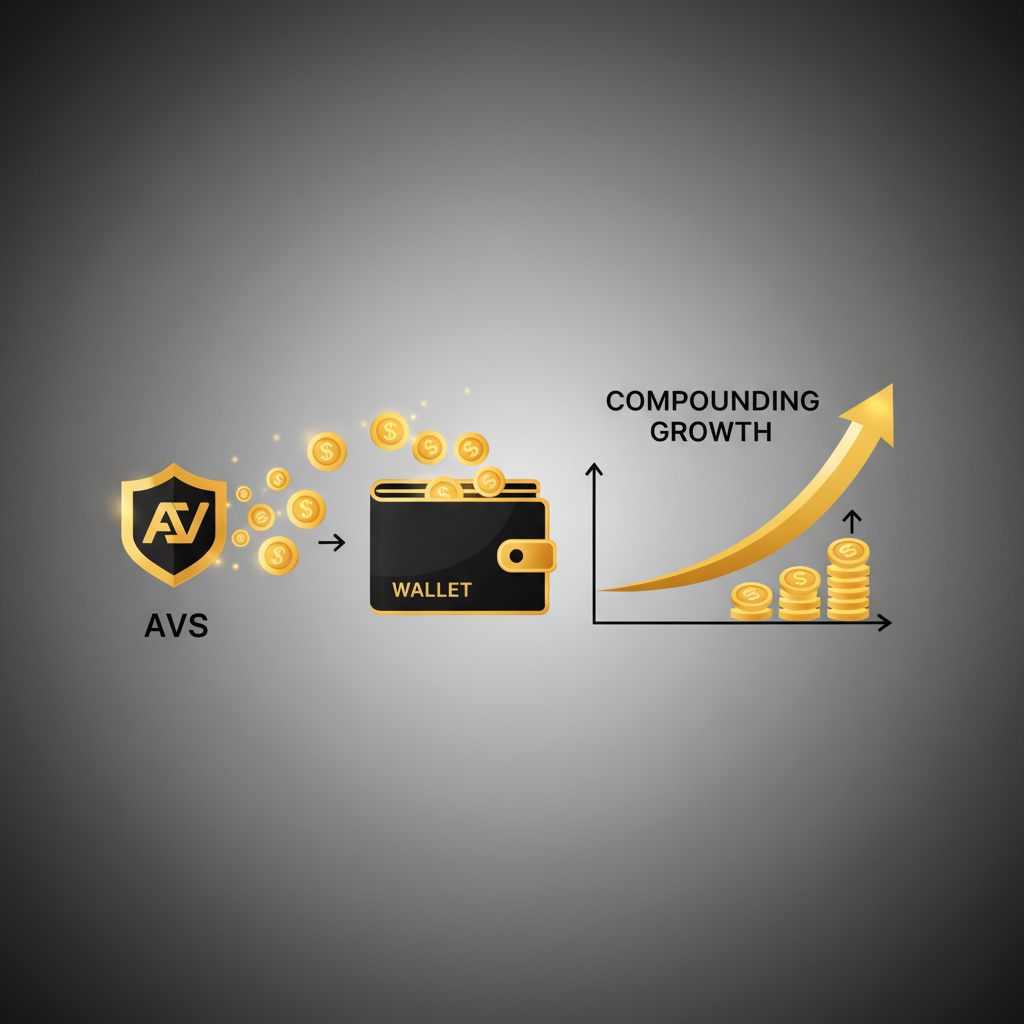
Delegation dynamics further nuance allocations. EigenCloud’s operator-directed rewards empower custom logic, directing fees and emissions to uptime exemplars. Bruzzese Roberto’s guide illuminates sources: protocol treasuries and user fees amplify top performers, turning leaderboards into yield magnets. For runners emulating options overlays, cap allocations at 20% per operator, rotating via Stakely or Launchnodes for convexity during AVS launches.
AVS rewards are a highly-anticipated game-changer within the restaking ecosystem. They provide operators with fees for their infrastructure. – Everstake on Unlocking Rewards
Risk Calibration: Slashing Shields and Uptime Edges
In this calibrated arena, slashing live since DeFi’s 2025 pivot demands vigilance. Top operators mitigate via redundancy: P2P. org’s multi-cloud, InfStones’ geographic sprawl. Mid-tier like Blockscape and Chainflow excel in niche resilience, their 99.92% and 99.91% uptimes buffering against correlated outages. Node runners gain by stress-testing sets against historical Dune metrics, prioritizing those with operator sets exceeding 80 for diversified exposure.
Forward-looking, the AVS node runner leaderboards evolve with DIN’s playbook, embedding verifiable services into RPCs and beyond. Coin Bureau’s staking pool ethos applies: informed choices via Actively Validated Services performance rankings yield confidence. Operators like DSRV, with 70 sets at 99.90%, embody accessible entry points for scaling, while elites forge paths for institutional flows.
Ultimately, these top AVS operators uptime hierarchies equip node runners to navigate EigenLayer’s complexities with precision. By anchoring strategies in leaderboard realities, from P2P. org’s pinnacle to DSRV’s sturdy base, yields compound amid slashing’s discipline, securing decentralized dominance through unrelenting reliability.