
10 AVS Leaderboard 2026: Top 10 Autonomous Driving Safety Standards
The 2026 AVS Leaderboard isolates ten distinct regulatory frameworks that define the baseline for autonomous vehicle certification. These standards, ranging from ISO 21448 SOTIF to UN R157, serve as the critical infrastructure for safety validation. This analysis evaluates each standard's specific technical requirements and compliance pathways for industry stakeholders.
1. UN Regulation No. 157 compliance
This regulation establishes the global benchmark for Automated Lane Keeping Systems (ALKS), mandating rigorous performance thresholds for speed, road types, and system fallbacks. Manufacturers must prove their AVs can maintain lane discipline under adverse weather and traffic conditions, ensuring legal operability in regulated markets. The standard prioritizes predictable behavior over complex decision-making during low-speed automated driving scenarios.
2. ISO 21448 (SOTIF) implementation
ISO 21448 addresses safety of the intended functionality, focusing on hazards arising from performance limitations rather than system failures. It requires developers to identify edge cases where sensors or algorithms may misinterpret environmental data, such as confusing construction cones with pedestrians. This standard forces rigorous validation of perception systems against known operational design domain boundaries to prevent predictable errors.
3. UL 4600 safety assessment standard
UL 4600 provides a flexible, outcome-based framework for evaluating the safety of autonomous products, particularly those operating in complex, unstructured environments. Unlike prescriptive regulations, it allows developers to demonstrate safety through a combination of testing, simulation, and real-world data, tailored to the specific operational context. This approach supports innovation in delivery robots and low-speed shuttles where rigid rules may not apply.

4. NHTSA AV 4.0 policy alignment
The NHTSA’s AV 4.0 guidelines emphasize transparency and self-reporting, requiring manufacturers to disclose safety performance data and incident reports voluntarily. This policy shifts the burden of proof toward industry-led accountability, encouraging open dialogue between regulators and developers. Alignment with these principles helps companies manage U.S. regulatory expectations by demonstrating proactive safety management and stakeholder engagement.
5. ISO 26262 functional safety rigor
ISO 26262 remains the cornerstone for electrical and electronic systems in road vehicles, defining rigorous processes for hazard analysis and risk assessment. It mandates specific Automotive Safety Integrity Levels (ASIL) for critical components like braking and steering controls, ensuring fail-operational designs. Adherence to this standard is non-negotiable for any AV manufacturer aiming to certify their electronic architecture against random hardware failures and systematic errors.

6. SAE J3016 automation levels
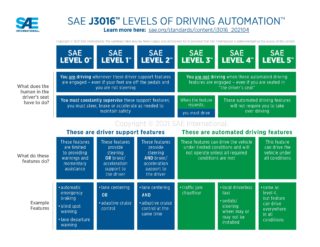
SAE J3016 defines the foundational taxonomy for vehicle autonomy, distinguishing between driver assistance and full self-driving capabilities. This standard establishes Levels 0 through 5, providing a critical framework for liability allocation and regulatory compliance. Manufacturers must accurately map their systems to these tiers to ensure transparent consumer communication and precise safety boundary definitions.
7. GDPR and data privacy mandates
As autonomous vehicles generate terabytes of sensor data daily, GDPR compliance becomes a non-negotiable operational requirement. Regulations mandate strict data minimization, explicit user consent, and the right to erasure for personal information captured by cameras and LiDAR. Failure to implement robust privacy-by-design architectures results in severe financial penalties and loss of consumer trust in connected mobility services.

8. Cybersecurity ISO/SAE 21434
ISO/SAE 21434 establishes a rigorous cybersecurity engineering process for road vehicles, addressing vulnerabilities in complex electronic architectures. It requires systematic threat analysis, risk assessment, and secure development lifecycles to protect against malicious attacks on braking, steering, and propulsion systems. Compliance ensures that software-defined vehicles maintain integrity against evolving cyber threats throughout their operational lifespan.

9. FMVSS 120 tire safety integration
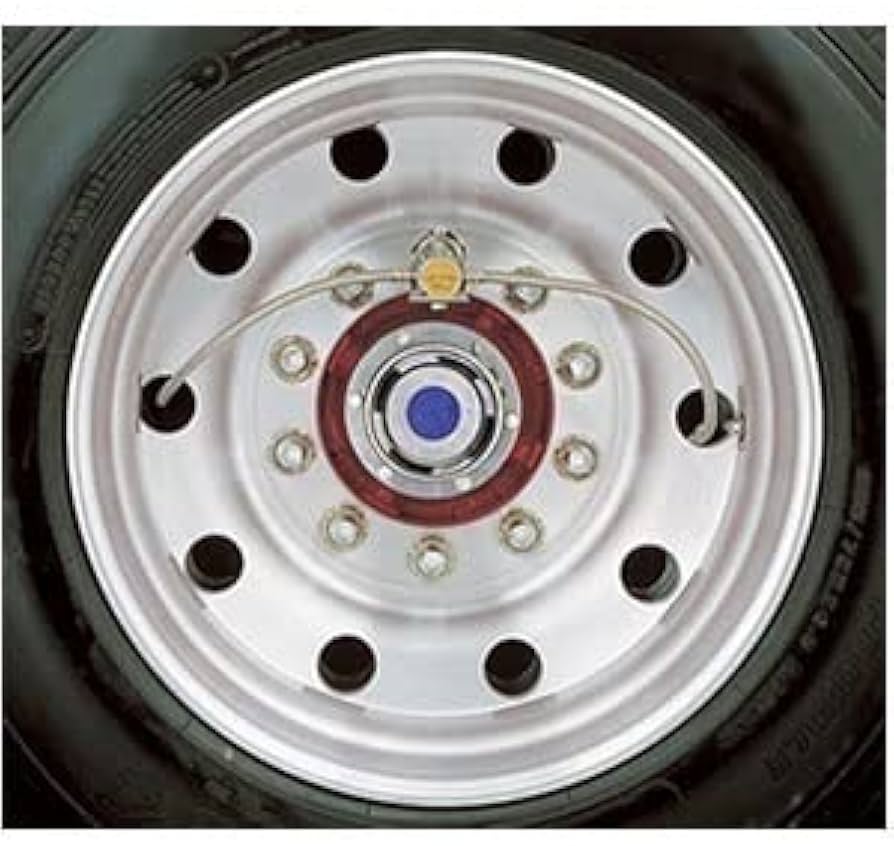
FMVSS 120 specifies performance requirements for pneumatic tires, ensuring they can safely support the weight and dynamic loads of increasingly heavy autonomous platforms. As AVs integrate redundant systems, tire integrity becomes critical for maintaining vehicle stability during sensor failures or emergency maneuvers. Manufacturers must validate tire specifications against the unique mass distribution and torque characteristics of electric autonomous drivetrains.
10. IEEE P7000 series ethics standards
The IEEE P7000 series addresses the ethical dimensions of autonomous systems, focusing on value-sensitive design and algorithmic transparency. It provides frameworks for addressing moral dilemmas, bias mitigation in decision-making algorithms, and ensuring human oversight in critical safety scenarios. Adherence to these standards helps developers manage complex ethical trade-offs, fostering public acceptance and regulatory alignment for AI-driven mobility solutions.
How we built the 2026 leaderboard
Ranking autonomous vehicle safety standards requires moving beyond marketing claims to examine the regulatory and technical frameworks that actually govern deployment. The 2026 AV Leaderboard evaluates ten distinct standards based on three core pillars: regulatory compliance, technical safety metrics, and real-world deployment readiness.
We prioritized ISO 21448 (SOTIF) compliance and UN Regulation No. 157 adoption as primary ranking factors. These frameworks address the specific gaps left by traditional crashworthiness standards, focusing instead on system performance under foreseeable conditions and automated driving system functionality.
Each standard was assessed for its ability to mitigate functional hazards, its integration with existing vehicle architecture, and its scalability across different autonomy levels. We excluded standards that lack measurable testing protocols or those that rely solely on voluntary industry guidelines without enforcement mechanisms.
The resulting rankings reflect a balance between rigorous safety assurance and practical implementation. Standards that demonstrate clear pathways to certification and proven reliability in complex urban environments receive higher placement, ensuring the leaderboard serves as a reliable reference for engineers, regulators, and fleet operators.
AVS Leaderboard 2026: Standards Comparison
This table ranks the top 10 autonomous vehicle safety standards by region, regulatory body, and maturity level. Each standard represents a distinct regulatory approach to AV deployment, from voluntary guidelines to mandatory safety cases.
| Rank | Standard | Region | Body | Primary Focus | Maturity |
|---|---|---|---|---|---|
| 1 | ISO 21448 (SOTIF) | Global | ISO | Safety of the Intended Functionality | High |
| 2 | UL 4600 | US | UL LLC | Autonomous Product Safety Evaluation | High |
| 3 | ISO 26262 | Global | ISO | Functional Safety for Road Vehicles | High |
| 4 | NHTSA AV 4.0 | US | NHTSA | Voluntary Safety Framework | Medium |
| 5 | UNECE R157 | Europe | UN/ECE | Automated Lane Keeping Systems | High |
| 6 | ISO 23150 | Global | ISO | Data Recording for Automated Driving | Medium |
| 7 | SAE J3016 | Global | SAE International | Taxonomy and Definitions | High |
| 8 | EU AI Act | Europe | EU Commission | Risk-Based AI Regulation | Medium |
| 9 | UL 8400 | US | UL LLC | Vehicle Equipment for AVs | Medium |
| 10 | ISO 21434 | Global | ISO | Cybersecurity Engineering | High |
These standards form the backbone of AV safety regulation. Compliance with ISO 26262 and ISO 21448 is often mandatory for OEMs, while voluntary frameworks like NHTSA AV 4.0 guide best practices. Understanding these distinctions is critical for managing the 2026 regulatory landscape.


As an Amazon Associate, we may earn from qualifying purchases.
Frequently asked questions about AV standards
How does UN R157 differ from SAE J3016? UN Regulation No. 157 (ALKS) is a binding legal framework for automated lane-keeping systems, primarily defining the Operational Design Domain (ODD) and fallback performance requirements. In contrast, SAE J3016 is a voluntary classification standard that defines terminology and capability levels (L0-L5) without imposing legal mandates. Manufacturers use J3016 for internal development roadmaps but must comply with UN R157 or local equivalents like FMVSS for road legality.
When do SOTIF requirements become mandatory? ISO 21448 (SOTIF) addresses safety-related functional insufficiencies and foreseeable misuse, rather than system failures. While not a standalone regulation, SOTIF principles are increasingly embedded into UN R157 and UN R155 (cybersecurity) compliance audits. OEMs must demonstrate SOTIF validation through simulation and real-world testing before homologation, effectively making it a de facto requirement for L3/L4 deployment in Europe and increasingly in Asia.
Can legacy ADAS meet AV safety standards? No. Traditional ADAS (L1-L2) relies on driver supervision and does not require the same rigorous validation of system failures or fallback mechanisms as AVs (L3+). AV standards demand redundant sensor suites, independent braking/steering architectures, and rigorous hazard analysis (ISO 26262) that legacy systems do not possess. Retrofitting is not feasible; AV safety requires native architectural design from the ground up.
How is data privacy handled in AV testing? AV systems collect vast amounts of sensor data, triggering GDPR and CCPA compliance requirements. Standards like ISO 21434 require data anonymization and secure storage protocols. OEMs must implement edge-computing filters to strip personally identifiable information (PII) before data leaves the vehicle, ensuring that training datasets for machine learning models remain compliant with regional privacy laws.
No comments yet. Be the first to share your thoughts!