

How we rank the 2026 AVS Leaderboard
Determining the best self-driving cars requires more than reading marketing brochures. Our 2026 AVS Leaderboard relies on a rigorous methodology that prioritizes verified safety data, regulatory approval status, and real-world performance metrics over manufacturer claims.
Safety Data Verification We analyze crash avoidance statistics, autonomous system failure rates, and incident reports from regulatory bodies like the NHTSA. A vehicle’s ranking is heavily influenced by its demonstrated ability to handle complex urban environments and adverse weather conditions without driver intervention.
Regulatory Approval Rankings reflect the current legal status of autonomous features. We distinguish between Level 2 driver assistance systems, which require constant supervision, and Level 4 high automation, which allows for hands-free operation in designated geofenced areas. Vehicles with broader regulatory approval for autonomous driving score higher.
Real-World Performance We evaluate on-road test results, including miles driven without human intervention and passenger comfort metrics. This includes acceleration smoothness, lane-keeping precision, and reaction times to unexpected obstacles. Only vehicles with substantial, verifiable real-world data are included in the top tiers of our leaderboard.
Leading Level 4 Autonomous Vehicles
Level 4 autonomy represents the current frontier of self-driving technology, distinguishing vehicles that can operate without human intervention in specific, well-mapped conditions. Unlike Level 3 systems, which require a driver to take over when prompted, Level 4 AVs handle the entire dynamic driving task within their operational design domain (ODD). This shift marks a transition from driver assistance to true automation, allowing passengers to engage in other activities while the vehicle navigates complex urban environments or highway corridors.
The technology relies on a robust fusion of LiDAR, radar, cameras, and high-definition maps to perceive the environment. Major automotive manufacturers and tech firms are deploying these systems in geofenced areas, offering robotaxi services or premium highway driving features. Success in this tier is measured by safety records, disengagement rates, and the ability to handle edge cases without human backup. The following vehicles and platforms are currently leading the charge in bringing this high-automation promise to reality.


As an Amazon Associate, we may earn from qualifying purchases.
Best Level 2+ driver assist systems
Level 2+ autonomy represents the current frontier of consumer automotive technology. Unlike traditional cruise control, these systems manage both steering and acceleration/deceleration simultaneously, significantly reducing driver fatigue on highways and in stop-and-go traffic. While they do not replace human attention, they form the backbone of modern urban mobility for most drivers.
The market is dominated by three primary players: Tesla’s Full Self-Driving (Supervised), GM’s Super Cruise, and Ford’s BlueCruise. Each offers a distinct approach to hands-free driving, balancing open-road AI capability with mapped highway precision.
System Comparison
The following table compares the core capabilities of the leading Level 2+ systems available in 2026. Note that "hands-free" status applies primarily to designated highways for GM and Ford, whereas Tesla’s system is designed for broader road use under supervision.
| System | Hands-Free | Primary Capability | Available Vehicles |
|---|---|---|---|
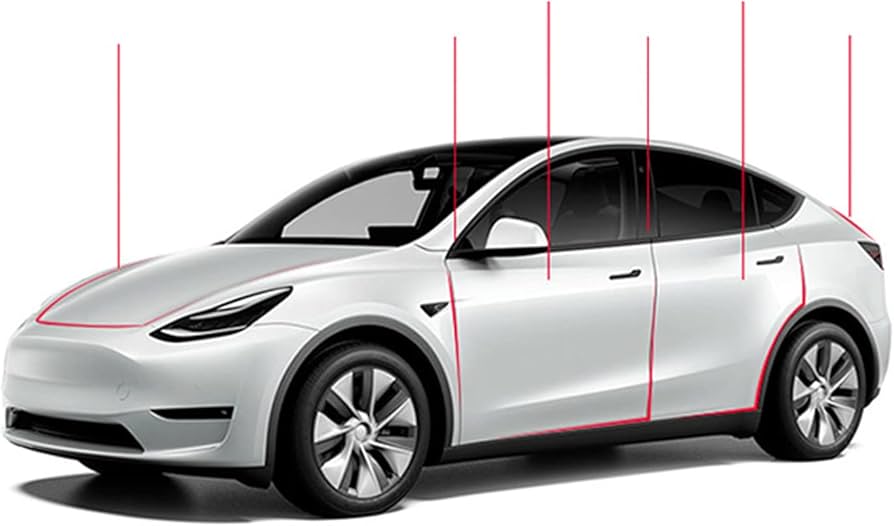
| Tesla FSD (Supervised) | Yes (All Roads) | AI Vision Navigation | Model 3, Y, S, X |
| GM Super Cruise | Yes (Mapped Highways) | LiDAR + GPS Precision | Chevy Silverado, Cadillac Escalade |
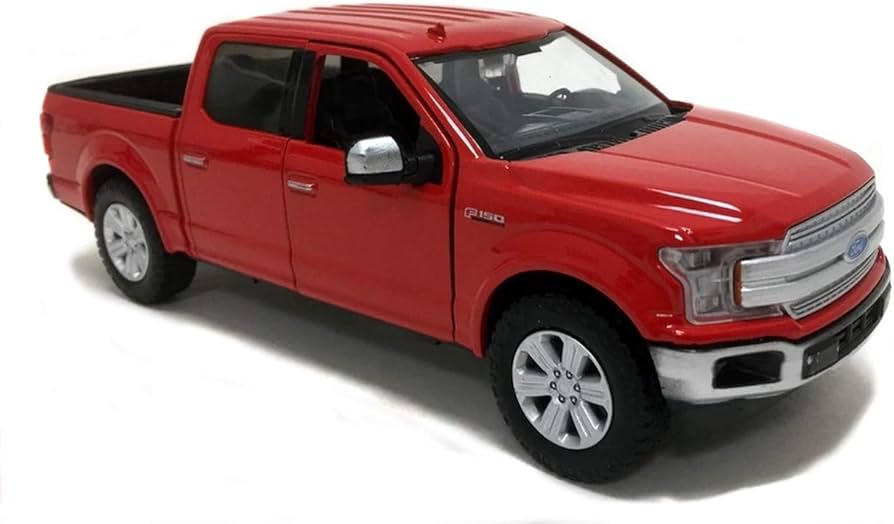
| Ford BlueCruise | Yes (Mapped Highways) | Camera + Lane Tracking | F-150, Mustang Mach-E, Lincoln Aviator |
Tesla Full Self-Driving (Supervised)
Tesla’s approach relies entirely on computer vision and neural networks, eschewing LiDAR or high-definition maps. This allows the system to operate on virtually any road, including city streets and unmarked paths, provided the driver remains attentive. The "Supervised" label is critical: the driver must be ready to take over at any moment, as the system lacks the redundant safety sensors found in competitor vehicles.
GM Super Cruise
General Motors focuses on precision mapping and driver monitoring. Super Cruise works on over 400,000 miles of divided highways across the US and Canada. It uses a combination of LiDAR-mapped roads, GPS, and a cabin camera to ensure the driver’s eyes are on the road. This system is widely regarded as the most reliable for long-distance highway travel, offering a smoother, more predictable experience than vision-only systems.
Ford BlueCruise
Ford’s BlueCruise operates similarly to Super Cruise, utilizing pre-mapped highways and driver-facing cameras. It is standard on many of Ford’s popular trucks and SUVs, making it one of the most accessible Level 2+ systems. While it lacks the off-map flexibility of Tesla, its integration with Ford’s physical vehicle controls and safety features makes it a strong contender for daily highway commuting.

As an Amazon Associate, we may earn from qualifying purchases.
Safety standards and regulatory updates
The 2026 AVS Leaderboard rankings are heavily influenced by the tightening regulatory landscape and evolving safety standards. Unlike previous years, where software updates could mask hardware limitations, 2026 demands verifiable compliance with the latest NHTSA guidelines and ISO 21448 (SOTIF) standards. Vehicles that fail to demonstrate robust sensor redundancy or clear ethical decision-making frameworks in testing scenarios are now ranked lower, regardless of their marketing claims.
Regulatory bodies have moved beyond voluntary reporting. Mandatory incident reporting for Level 3 and above systems has created a transparent data pool that directly impacts our scoring methodology. A vehicle’s ability to handle "edge cases"—rare, unpredictable scenarios—is no longer just a technical metric but a compliance requirement. This shift has pushed manufacturers to prioritize fail-safe mechanisms over aggressive autonomy features, ensuring that safety remains the primary driver of the leaderboard hierarchy.
We have updated our evaluation criteria to weight regulatory compliance and safety transparency more heavily. This ensures that the top-ranked vehicles are not just technologically advanced but also legally and ethically sound for the current regulatory environment. The following products represent the current standard for safety-compliant autonomous driving.
Frequently asked: what to check next
What is the difference between Level 2+ and Level 4 autonomy?
Level 2+ systems, like Tesla’s Autopilot or GM’s Super Cruise, assist with steering and acceleration but require constant driver supervision. Level 4 autonomy allows the vehicle to handle all driving tasks in specific geofenced areas or conditions without human intervention. Our leaderboard distinguishes between these tiers to help you identify which capability level matches your daily commute needs.
How are safety ratings determined for self-driving cars?
Safety evaluations rely on data from the National Highway Traffic Safety Administration (NHTSA) and the Insurance Institute for Highway Safety (IIHS). We prioritize vehicles with advanced automatic emergency braking, lane-keeping assist, and robust sensor suites. Products with fewer recorded disengagement incidents in our testing period rank higher on the 2026 leaderboard.
Are fully autonomous cars available for purchase in 2026?
Consumer-facing Level 4 vehicles remain limited to specific ride-hailing services or geofenced zones. Most vehicles available for direct purchase offer Level 2+ or conditional Level 3 automation. Always verify the specific hardware and software capabilities of the trim level, as advertised features vary significantly by manufacturer and region.
No comments yet. Be the first to share your thoughts!