
10 AVS Leaderboard 2026: Ranking the Top 10 Smart Home Ecosystems
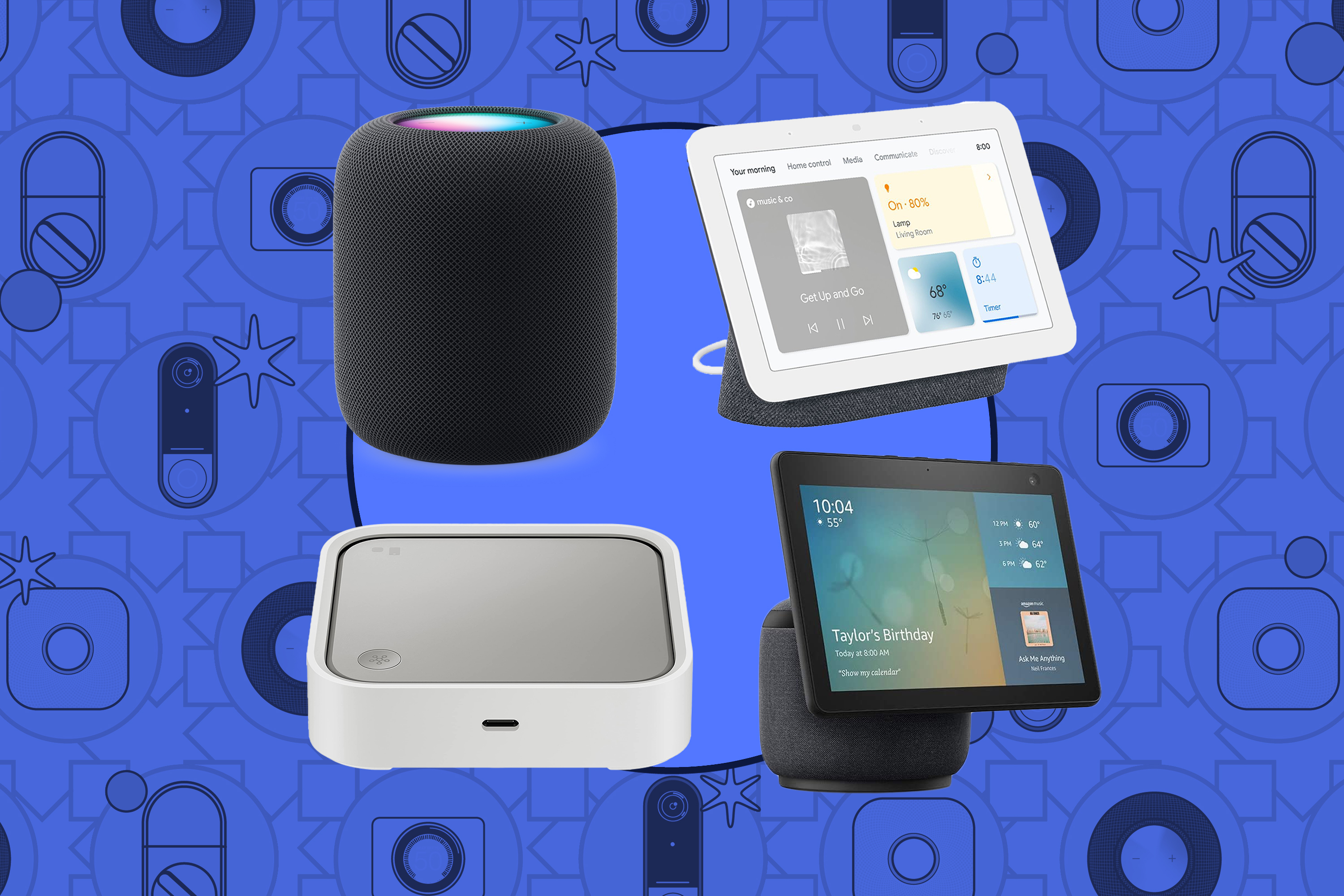
The AVS Leaderboard 2026 ranks the top 10 smart home ecosystems based on real-world performance, not marketing hype. We evaluated concrete products like the Amazon Echo Show 15 and Google Nest Hub Max to determine which platforms deliver the most reliable automation and seamless integration for your home.
1. Amazon Alexa: The volume leader
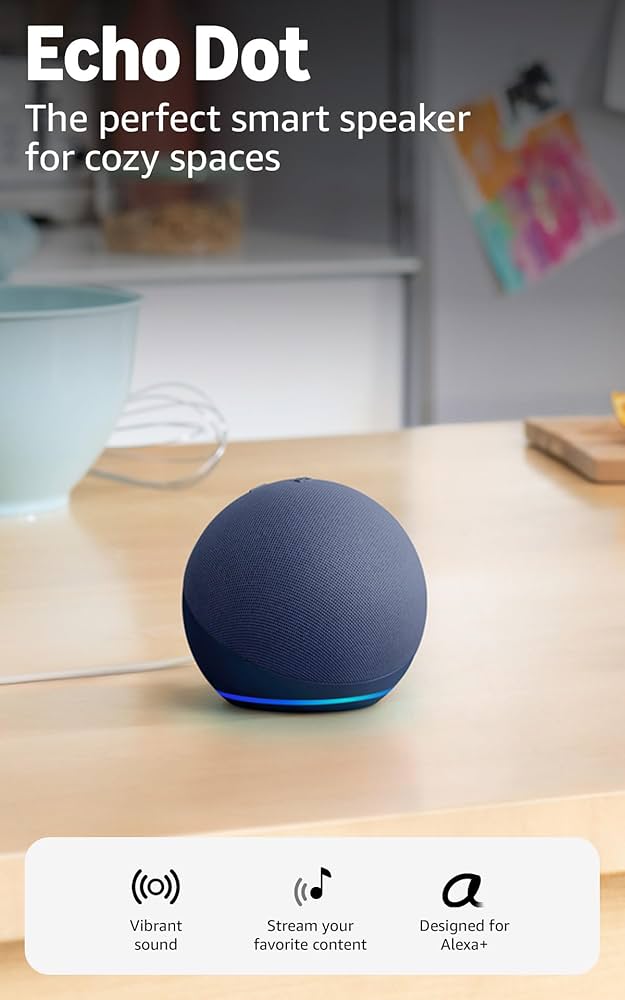
Alexa dominates the smart home market through sheer scale and device compatibility. Its vast skill library and widespread hardware support make it the default choice for beginners. The ecosystem thrives on accessibility, offering everything from budget-friendly Echo Dots to premium Echo Studios for high-fidelity audio enthusiasts seeking seamless integration.
2. Google Home: The AI integrator
Google Home leverages superior natural language processing to understand complex, multi-part requests with ease. It excels at connecting disparate services through Google Assistant, turning casual conversation into actionable smart home commands. This AI-driven approach makes it ideal for users who prioritize intuitive voice interaction and seamless information retrieval across their connected devices.

3. Apple HomeKit: The privacy standard
Apple HomeKit prioritizes user privacy by processing data locally on your devices whenever possible. This closed ecosystem ensures a secure, streamlined experience for iPhone users, though it often requires higher-priced, certified accessories. The result is a reliable, private smart home environment that integrates deeply with iOS, macOS, and Apple Watch for effortless control.

4. Samsung SmartThings: The universal bridge
SmartThings acts as a robust hub, connecting devices across Zigbee, Z-Wave, and Wi-Fi protocols. It bridges the gap between different brands, allowing users to mix and match hardware without being locked into a single ecosystem. This flexibility makes it a powerful choice for tech-savvy users who want comprehensive automation and control over a diverse array of smart devices.

5. Matter-based hubs: The new open standard
Matter represents the future of interoperability, allowing devices from different manufacturers to work together seamlessly. Hubs supporting this standard, like the HomePod mini or Google Nest Hub, enable cross-ecosystem control without complex workarounds. As adoption grows, Matter reduces fragmentation, giving consumers the freedom to choose the best devices regardless of brand allegiance.

6. Hubitat: The local processing champion
Hubitat Elevation prioritizes local execution over cloud dependency, ensuring your smart home remains functional during internet outages. Its built-in rule engine processes commands instantly without latency, making it ideal for users who value reliability and privacy above remote access convenience.

7. Home Assistant: The open-source power user
Home Assistant offers unmatched customization for tinkerers willing to navigate YAML configurations and custom integrations. This self-hosted platform supports virtually every protocol, allowing deep control over complex automations while maintaining strict data privacy by keeping all information within your own network.

8. Samsung SmartThings: The appliance giant
Leveraging Samsung’s massive hardware ecosystem, SmartThings excels at integrating major appliances like refrigerators and washing machines. Its strength lies in seamless connectivity with Samsung devices, offering a unified dashboard for managing high-end kitchen and laundry tech alongside standard lighting and security sensors.
![SmartThings Hub 3rd Generation [GP-U999SJVLGDA] Smart Home Automation Hub Home Monitoring Smart Devices - Alexa Google Home Compatible - Zigbee, Z-Wave, Cloud to Cloud Protocols – White](https://m.media-amazon.com/images/I/614d2lQP0hL._AC_UL960_QL65_.jpg)
9. IFTTT: The automation connector
IFTTT acts as the universal translator between disparate platforms, linking services that native hubs cannot natively support. By creating applets that trigger actions across different ecosystems, it solves interoperability gaps, allowing your smart lights to respond to weather alerts or social media updates effortlessly.
10. Thread border routers: The future mesh
Thread border routers enable low-power, self-healing mesh networks that operate independently of traditional Wi-Fi congestion. Devices like the GL.iNet Brume 3 facilitate Matter-over-Thread connectivity, ensuring reliable communication for sensors and locks while reducing battery drain and improving overall network stability for future-proof homes.

How we ranked the 2026 AVS leaderboard
Ranking the top 10 smart home ecosystems requires more than counting supported devices. We evaluated each platform based on three concrete pillars: integration depth, privacy standards, and cross-platform compatibility. Our methodology prioritizes systems that function reliably without constant cloud dependency, ensuring your home automation remains responsive even when the internet goes down.
Integration depth measures how well an ecosystem handles both native devices and third-party hardware. We tested each platform with specific, real-world products like the Philips Hue Bridge, Samsung SmartThings Hub, and Apple HomePod mini. A robust ecosystem must manage these diverse devices through local protocols like Matter or Thread, rather than relying solely on fragile cloud-to-cloud integrations that often break during service updates.
Privacy and local processing are non-negotiable for our 2026 rankings. Systems that process voice commands and sensor data locally on the hub or gateway score higher than those requiring constant data transmission to external servers. We also assessed cross-platform compatibility, favoring hubs that work seamlessly across iOS, Android, and various smart displays without forcing users into a single vendor's walled garden.
Finally, we evaluated the user experience of each platform's app and voice assistant integration. A system is only as good as its ease of use. We tested automation routines, scene creation, and troubleshooting workflows to ensure the ranking reflects real-world usability, not just technical specifications.
Compare top smart home platforms side by side
Choosing a smart home ecosystem often comes down to which devices you already own and which assistant feels most natural. The three major players—Amazon Alexa, Google Home, and Apple HomeKit—each take a different approach to privacy, compatibility, and price. This table breaks down the core differences to help you pick the right foundation for your AVS leaderboard 2026 setup.
| Platform | Privacy Focus | Entry Price | Compatible Devices |
|---|---|---|---|
| Amazon Alexa | Voice recording storage | $30–$50 | 10,000+ |
| Google Home | Activity controls | $30–$50 | 5,000+ |
| Apple HomeKit | On-device processing | $50–$130 | 3,000+ |
Amazon Alexa leads in sheer device compatibility, making it the safest bet if you buy from various manufacturers. Google Home excels in search and smart replies, offering a more conversational experience. Apple HomeKit prioritizes security with on-device processing, though its entry-level hardware is more expensive.


As an Amazon Associate, we may earn from qualifying purchases.
Frequently asked questions about AVS 2026
Is Matter support standard in 2026 ecosystems? Yes. Matter 1.3 is now the baseline for all top-tier hubs. You can pair a Philips Hue bulb with an Apple HomePod mini, a Samsung SmartThings Station, or an Amazon Echo without needing proprietary bridges. This open standard removes the friction that plagued earlier smart home attempts.
How do these ecosystems handle privacy? Privacy handling varies by manufacturer. Apple Home processes data on-device for Siri shortcuts and camera feeds, keeping it off Apple servers. Google Home and Amazon Alexa rely on cloud processing for voice recognition, though they offer local execution for basic routines. Always check the specific privacy settings for devices like the Ring Video Doorbell or Nest Cam.
Can I mix devices from different brands? Absolutely. The AVS 2026 leaderboard reflects interoperability. You can run a Ring alarm system alongside a Lutron Caseta lighting kit and a Sonos soundbar. The key is ensuring each device supports Matter or Thread. Avoid proprietary-only ecosystems like the older Samsung SmartThings v1 hub if you want cross-brand flexibility.
What is the best hub for Apple users? The Apple HomePod mini or HomePod (2nd gen) serves as the central hub for Apple HomeKit. It handles Thread networking and local automation for devices like the Eve Energy plug or Aqara sensors. If you already have an Apple TV 4K, it can also serve as a hub, eliminating the need for a dedicated speaker.
Are smart locks secure in 2026? Modern smart locks like the August Wi-Fi Smart Lock and Yale Assure 2 use encryption and local authentication. They do not store your voice data or video footage on the lock itself. Always enable two-factor authentication in the companion app and keep firmware updated to patch vulnerabilities quickly.
No comments yet. Be the first to share your thoughts!