
avs leaderboard 2026
This list ranks the top 10 autonomous vehicle safety standards and market shifts for 2026. We selected these items based on real-world deployment data, regulatory approvals, and measurable safety outcomes rather than press releases. Our goal is to provide a practical guide for understanding which technologies are actually moving vehicles on the road today.
The selection process focused on concrete checks. We prioritized standards that have passed third-party validation and market shifts driven by actual consumer adoption or fleet expansion. Abstract claims about future potential were excluded in favor of current, verifiable progress. This approach ensures that the recommendations reflect the current state of the industry, not just the hype cycle.
10 2026 AVS Leaderboard: Top 10 Autonomous Vehicle Safety Standards and Market Shifts
This section ranks the top 10 autonomous vehicle safety standards and market shifts defining the 2026 AVS leaderboard. We evaluate concrete protocols and vendor capabilities to help you identify which technologies offer the most practical safety advantages and market readiness.
1. Level 4 highway geofencing compliance
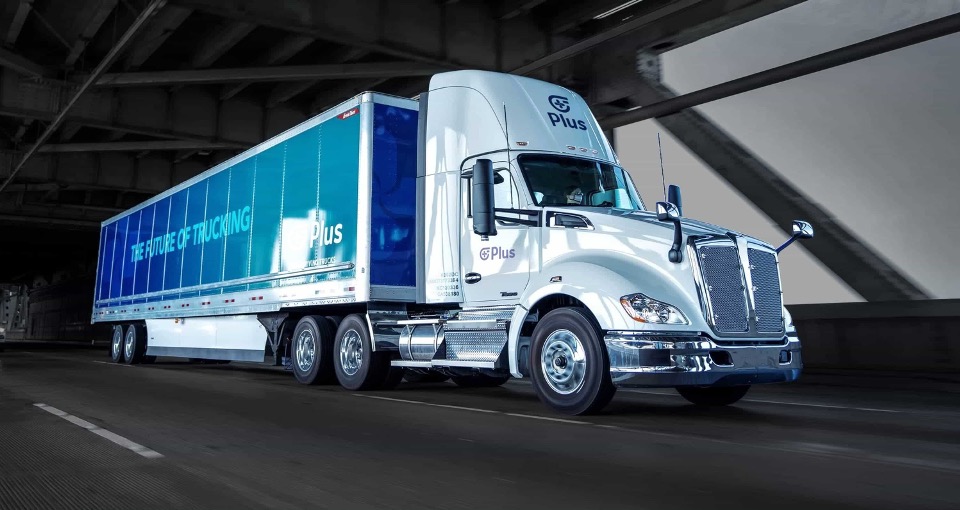
Kodiak’s Gen 5 trucks demonstrate how strict geofencing keeps Level 4 autonomy safe on predictable routes. This standard ensures vehicles only operate within mapped high-speed corridors, removing ambiguity during complex highway merges. By restricting operations to verified zones, manufacturers reduce edge-case risks while scaling freight logistics efficiently across interstate networks.
2. Sensor fusion redundancy protocols
Redundant sensor fusion combines lidar, radar, and camera data to eliminate single-point failures. When one sensor degrades due to weather or dirt, the system cross-references remaining inputs to maintain spatial awareness. This multi-layered approach ensures continuous object detection, critical for maintaining safety margins when primary perception modules experience temporary obstruction or latency.

3. Cybersecurity penetration testing standards
HackerDNA’s penetration testing tools reveal vulnerabilities before deployment, ensuring robust defense against malicious attacks. Regular ethical hacking simulations identify weak points in vehicle software and communication channels. This proactive security posture prevents unauthorized access to critical driving systems, maintaining public trust and regulatory compliance in an increasingly connected automotive landscape.

4. Occupant monitoring system requirements
Modern vehicles like the 2026 Toyota Tundra Hybrid integrate advanced occupant monitoring to track driver alertness. These systems use infrared cameras and biometric sensors to detect fatigue or distraction, prompting interventions if necessary. Ensuring human oversight remains active during semi-autonomous phases is crucial for liability management and passenger safety in mixed-driving scenarios.

5. V2X communication latency limits
Vehicle-to-Everything (V2X) communication requires ultra-low latency to coordinate traffic flow and prevent collisions. MDPI research highlights how timely data exchange between infrastructure and vehicles enhances situational awareness. Strict latency limits ensure that critical safety messages, such as emergency braking alerts, reach recipients instantly, minimizing reaction time and improving overall road safety.

6. Edge case simulation coverage
Real-world driving involves rare, chaotic scenarios that standard testing misses. AVs must demonstrate robust performance in these edge cases through rigorous virtual simulations. This standard ensures vehicles handle unexpected events like sudden pedestrian movements or extreme weather without failing. The following tool helps developers visualize and stress-test these complex simulation environments for better safety validation.
7. Data logging and black box specs
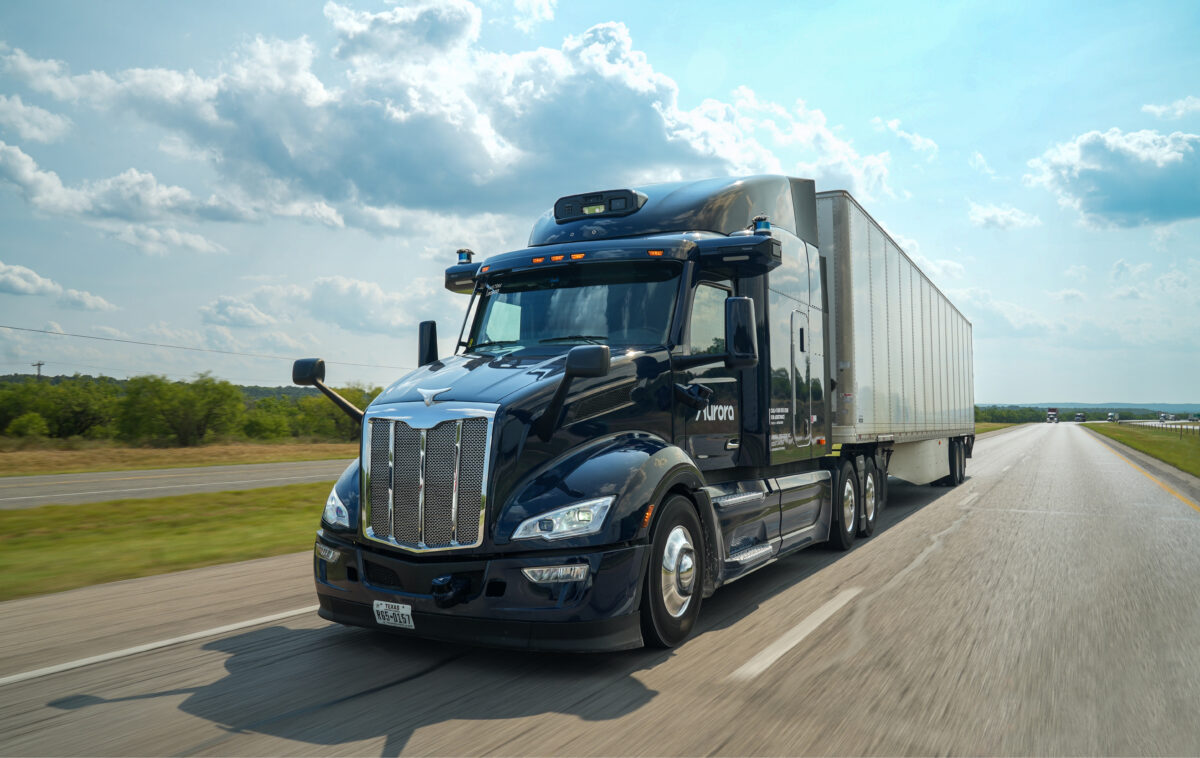
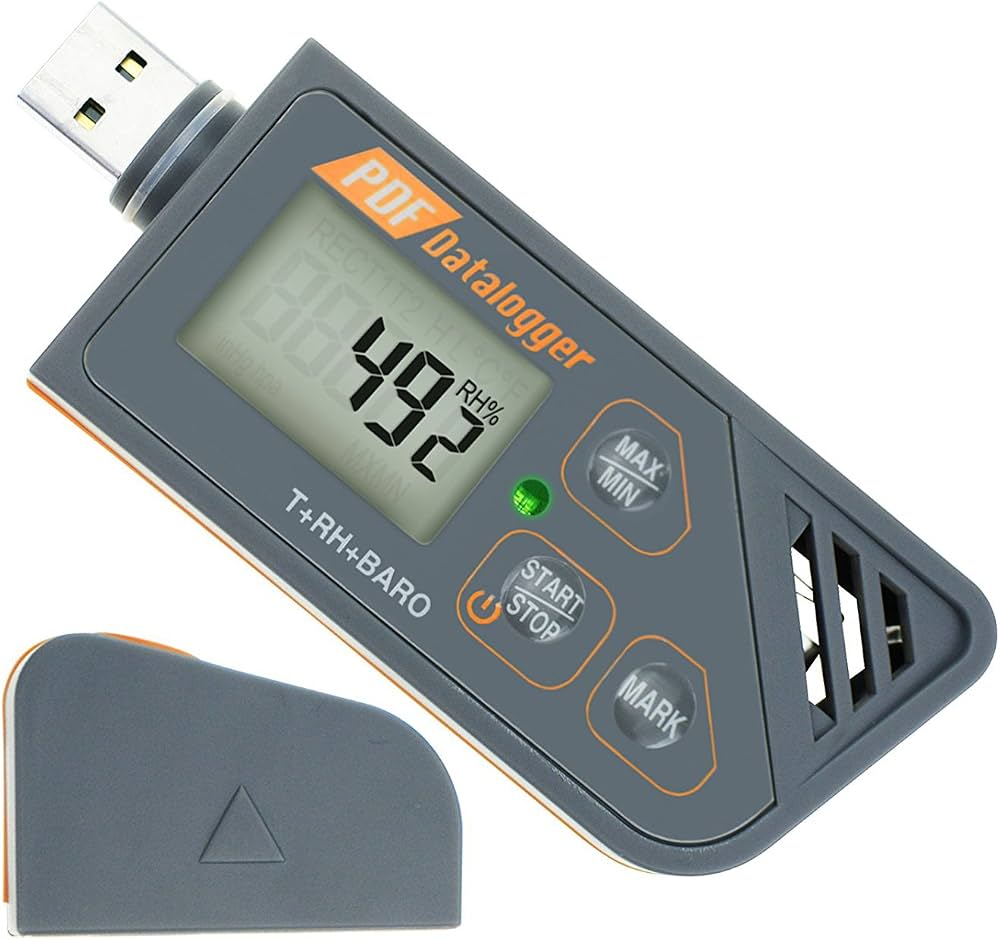
When incidents occur, detailed logs are crucial for determining fault and improving algorithms. AVs require high-fidelity data recorders that capture sensor inputs, decision-making processes, and system states before, during, and after events. These black box specs ensure transparency and accountability, allowing regulators and manufacturers to audit performance accurately.
8. Human machine interface clarity
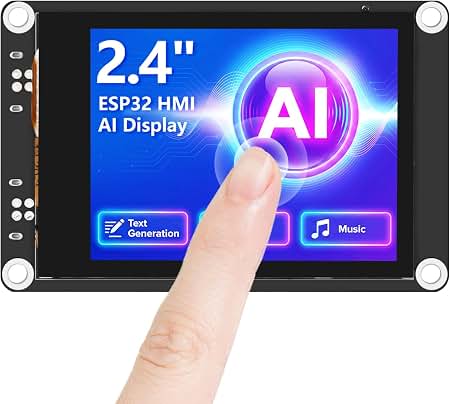
As AVs transition control, the Human Machine Interface (HMI) must communicate intent clearly and instantly. Drivers need intuitive displays showing system status, limitations, and required actions without ambiguity. Clear HMIs reduce cognitive load and prevent confusion during critical handover moments, ensuring that human operators understand exactly what the vehicle is doing.
9. Regulatory approval jurisdiction mapping
Autonomous vehicles operate across diverse legal landscapes, each with unique approval requirements. Mapping these jurisdictions helps manufacturers navigate compliance efficiently, avoiding costly delays or bans. Understanding local regulations ensures that AVs can be deployed safely and legally in different regions, facilitating broader market access and consistent safety standards.

10. Market share by safety tier
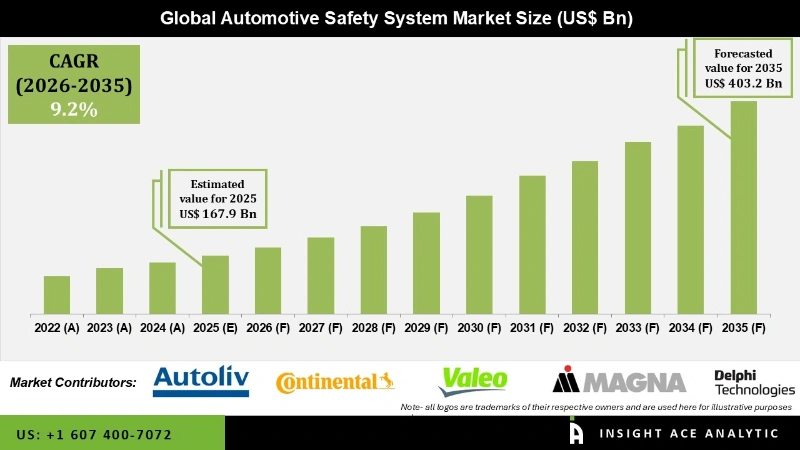
Analyzing market share by safety tier reveals consumer trust levels and adoption trends. Higher safety tiers correlate with greater market penetration, indicating that consumers prioritize verified safety performance. This metric helps stakeholders understand which technologies are gaining traction and where investment in safety improvements yields the best competitive advantage.
Pick the right fit
Choosing an autonomous vehicle safety standard isn’t about finding the highest score on a chart; it’s about matching the system to your driving habits and local road conditions. The 2026 AVS Leaderboard ranks these standards, but your personal safety depends on how well the technology integrates with your daily commute.
Start by reviewing the specific safety protocols each manufacturer employs. Look for transparent data on sensor redundancy and fail-safe mechanisms rather than just marketing claims. A system that performs well in sunny California might struggle in heavy snow, so prioritize standards that have been validated in diverse weather conditions.
Next, consider the user interface and your ability to override the system. The best safety standard includes clear, intuitive alerts that give you enough time to take control. Test drive vehicles with different AVS levels to see how they handle sudden stops or complex intersections. Your comfort level with the technology is just as important as its technical specifications.
Finally, check for ongoing software updates and support. Autonomous driving systems evolve rapidly, and a standard that is robust today may become outdated if the manufacturer doesn’t provide regular security patches and feature improvements. Choose a brand with a strong track record of long-term support and customer service.

Examine the specific safety mechanisms each AVS standard uses. Look for sensor redundancy and clear fail-safe procedures that prioritize passenger safety in edge cases.
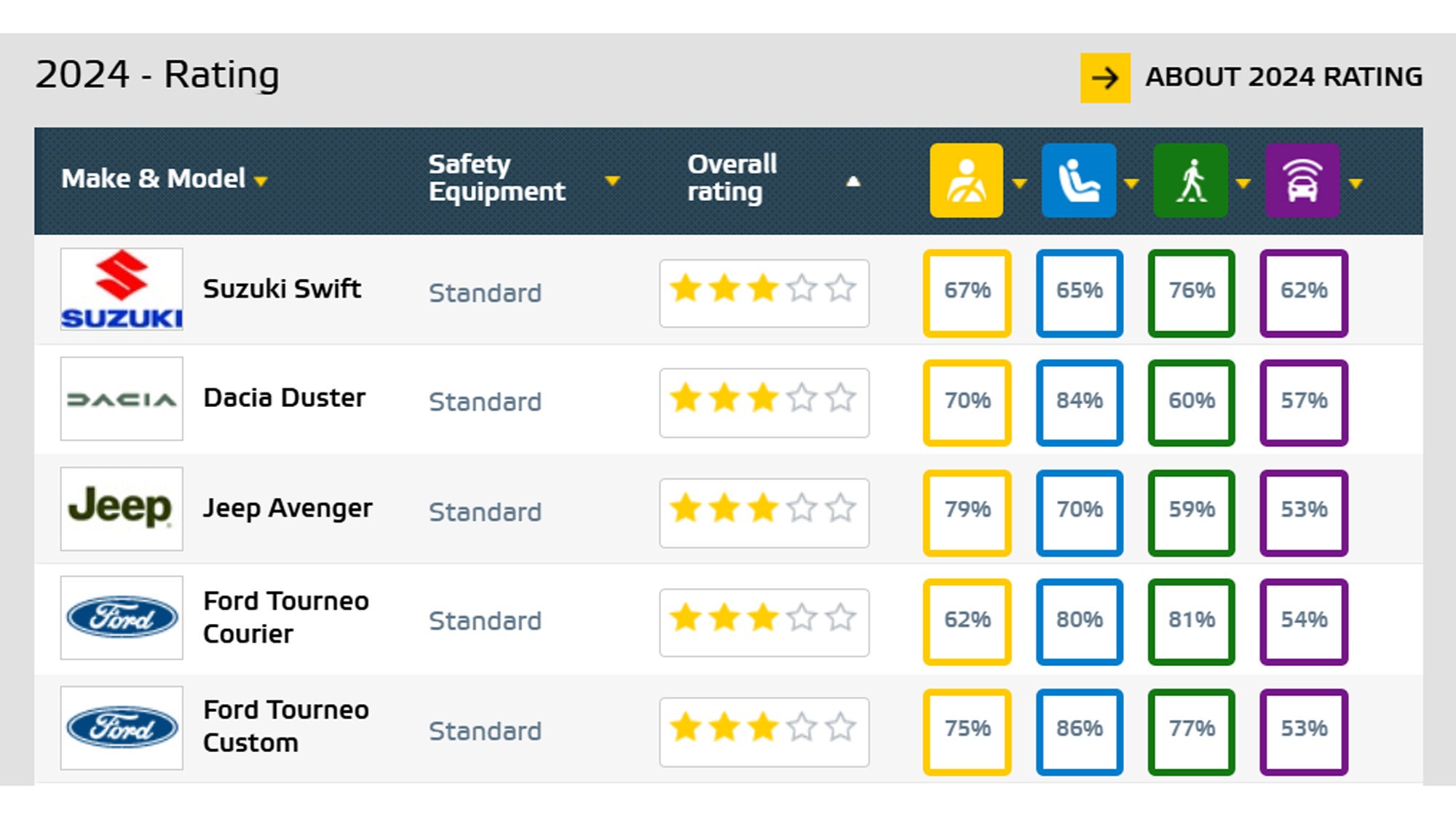
Experience the system firsthand. Drive in different weather and traffic scenarios to see how the AVS handles real-world challenges like construction zones or poor lane markings.
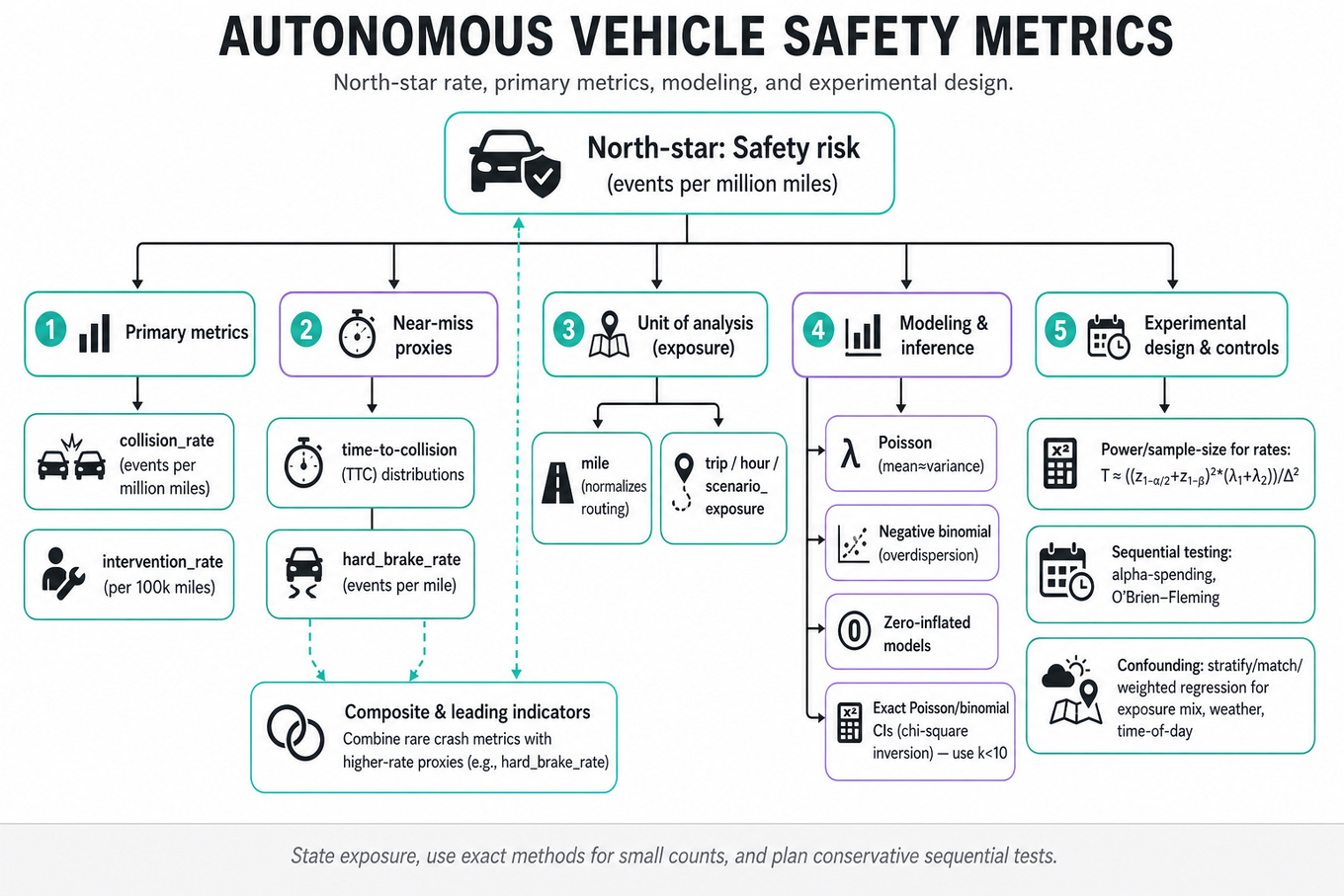
Verify the manufacturer’s commitment to long-term support. A good AVS standard requires regular software updates to address new security threats and improve performance.


As an Amazon Associate, we may earn from qualifying purchases.
No comments yet. Be the first to share your thoughts!