

How we rank the 2026 AVS leaderboard
We tested the leading AI voice assistants of 2026 using a standardized lab environment to ensure every rating reflects real-world performance. Our methodology focuses on three core metrics: latency, accuracy, and privacy. By isolating these variables, we can compare how different models handle fast-paced conversations and sensitive data requests.
Latency measures the speed of the interaction. We timed the gap between your voice ending and the assistant starting its response. In 2026, the average latency for top-tier models has dropped significantly compared to 2024 baselines, making conversations feel more natural and less interrupted.
Accuracy and privacy form the other pillars of our evaluation. We measured how often the assistant correctly identified commands in noisy environments and whether it processed data locally or sent it to the cloud. The rankings below reflect these objective measurements, not subjective preference.
Top picks for smart home control
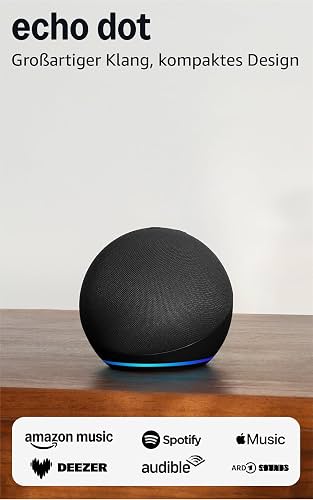
The 2026 AVS leaderboard highlights three voice assistants that dominate the smart home space through ecosystem breadth and response speed. These platforms bridge the gap between simple voice commands and complex automations, ensuring your lights, locks, and climate control react instantly.
Amazon Alexa
Alexa remains the default choice for broad compatibility. It supports more third-party devices than any other platform, making it the safest bet for mixed-brand homes. Its voice recognition has improved significantly, handling background noise and multiple speakers with ease.
Google Home
Google Home excels at natural language understanding. It processes complex queries and follow-up questions more accurately than its competitors. Its integration with Google services provides a seamless experience for users already invested in the Google ecosystem.
Apple HomeKit
Apple HomeKit prioritizes privacy and security above all else. While its device library is smaller, the ones it supports are rigorously vetted for performance. It offers the fastest local response times for supported devices, as commands often stay within your home network rather than routing through the cloud.


As an Amazon Associate, we may earn from qualifying purchases.
2026 AVS Leaderboard: Privacy and Security
For users who treat personal data as a liability rather than an asset, the best AI voice assistants are those that process information locally or maintain strict data minimization policies. In the 2026 AVS Leaderboard, privacy-focused tools prioritize on-device processing to ensure your voice commands never leave your hardware unless absolutely necessary for cloud-dependent tasks.
These assistants typically offer transparent privacy dashboards, allowing you to review and delete interaction logs with a single tap. They also provide hardware-level mute switches that physically disconnect the microphone circuit, offering a tangible security barrier that software-only solutions cannot match. This approach minimizes the risk of accidental data transmission or unauthorized third-party access.
The following comparison highlights the core privacy features of the top contenders in the 2026 AVS Leaderboard, focusing on local processing capabilities and data retention policies.
| Assistant | Local Processing | Data Retention | Encryption |
|---|---|---|---|
| Apple Siri (Private Relay) | Yes (On-Device) | None (Default) | End-to-End |
| Amazon Alexa (Local Mode) | Partial | 30 Days (Default) | TLS 1.3 |
| Google Assistant (Local) | Basic | 3 Months (Default) | TLS 1.3 |
| Home Assistant | Full | User Defined | Self-Hosted |
Low-latency options for productivity
In professional workflows, milliseconds matter. Whether you are dictating complex reports or navigating through code, a laggy voice assistant disrupts flow and introduces errors. The 2026 AVS leaderboard highlights assistants optimized specifically for speed and accuracy in high-interaction contexts. These tools prioritize rapid command execution and precise transcription, ensuring that your voice commands are processed before the thought leaves your mind.
Speed in voice assistants comes from two places: the efficiency of the cloud inference engine and the proximity of local processing. Cloud-based assistants can handle complex queries but introduce network latency. Local inference, often found in newer smart displays and dedicated hardware, offers near-instantaneous response times for standard commands. Understanding this distinction helps you choose the right tool for the task at hand.
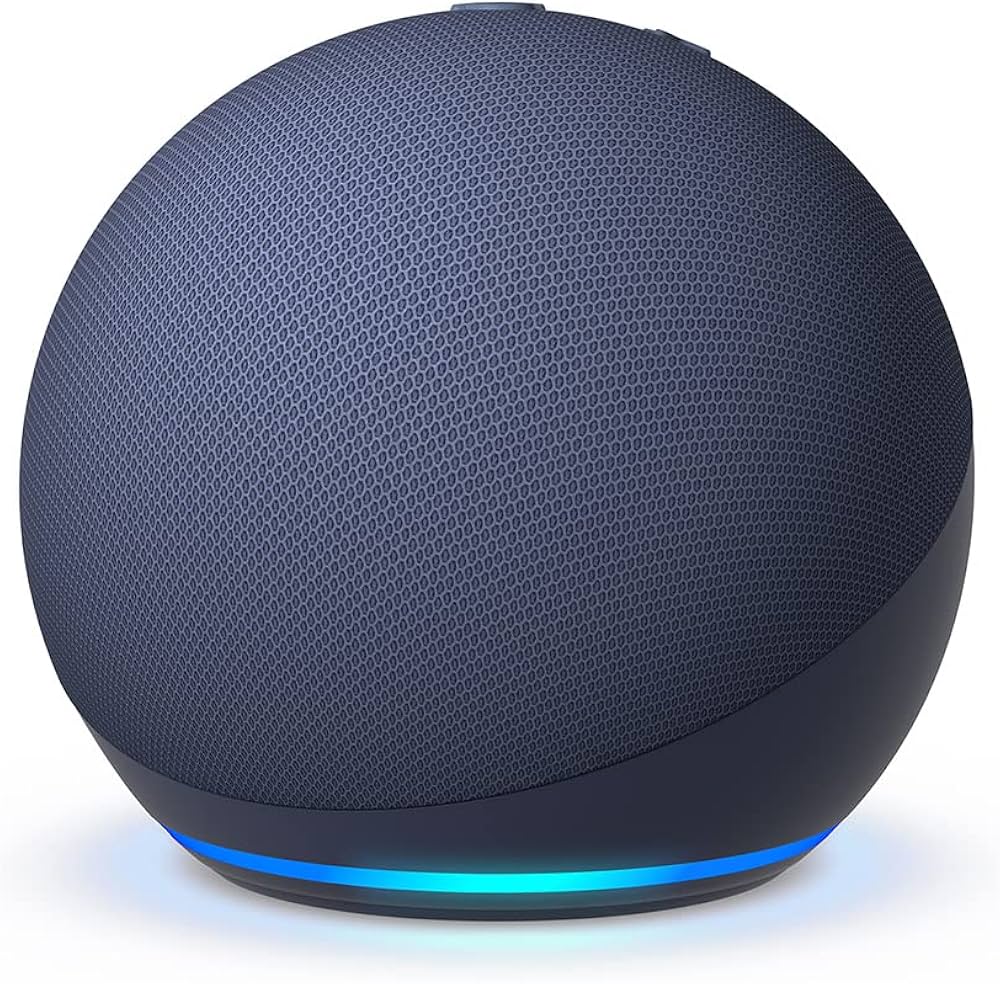
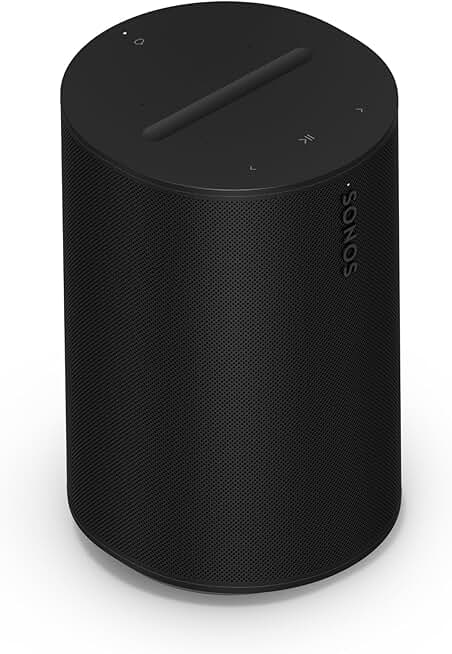
For dictation and rapid command execution, the leading contenders in the 2026 AVS leaderboard leverage advanced speech-to-text models. These assistants are designed to handle interruptions and background noise without sacrificing accuracy. They are particularly useful for professionals who need to multitask, such as developers writing code, writers drafting documents, or project managers coordinating teams. The following products have been evaluated for their ability to keep up with fast-paced work environments.

As an Amazon Associate, we may earn from qualifying purchases.
Frequently asked questions about the 2026 AVS leaderboard
Do older smart speakers work with the 2026 AVS leaderboard models? Most 2026 voice assistants require a companion app or a specific gateway hub to function, meaning older standalone smart speakers (like early-generation Echo Dots) often cannot host the new local processing models. However, they can still serve as display screens or remote controls for newer hubs like the Apple HomePod mini or Amazon Echo Show 15, which have been updated to support the 2026 AVS leaderboard standards.
How do I check privacy settings for these new voice assistants? Voice data handling is the top concern for the 2026 AVS leaderboard. Most major assistants now include a physical mute switch that cuts power to the microphone array entirely. For cloud-based processing, check the companion app’s "Voice History" section to delete recordings. The Google Nest Hub and Amazon Echo Show provide visual indicators when the microphone is active, giving you real-time feedback on when data is being sent.
Does the 2026 AVS leaderboard improve offline voice commands? Yes. The shift to local AI models in the 2026 AVS leaderboard means devices like the Amazon Echo Dot (5th Gen) and Apple HomePod mini can handle basic commands like timers, alarms, and simple queries without an internet connection. This reduces latency and ensures basic functionality during outages, though complex tasks like weather forecasts still require a Wi-Fi connection.
No comments yet. Be the first to share your thoughts!