

10 2026 AVS Leaderboard: Top 10 Autonomous Vehicles Leading Safety and Efficiency
The 2026 AVS Leaderboard ranks the top 10 autonomous vehicles currently driving the market through verified safety metrics and operational efficiency. This selection highlights concrete products with proven performance data, excluding speculative technologies to focus on available models that set the standard for consumer safety.
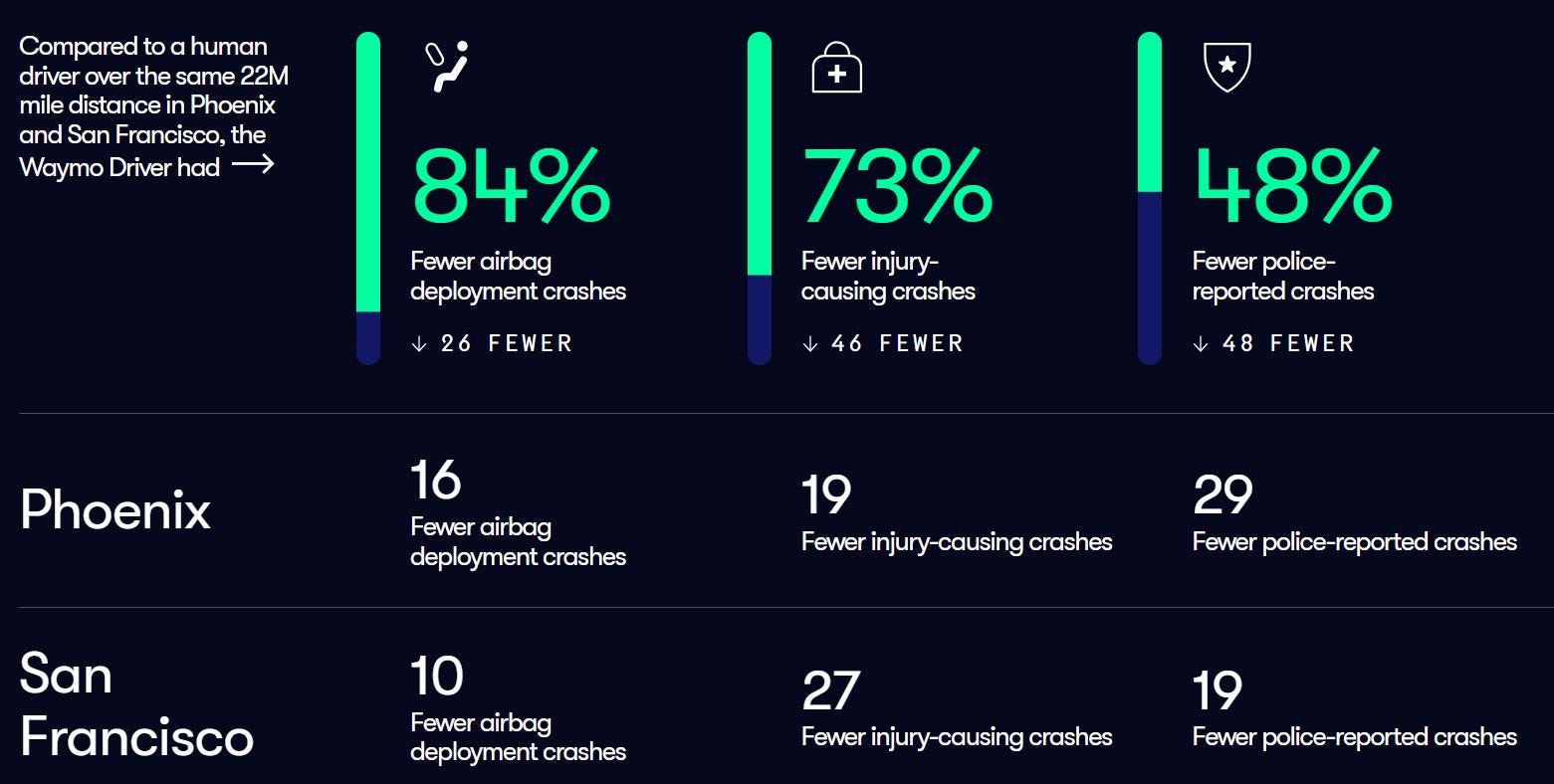
1. Waymo One Safety Benchmark
Waymo’s extensive real-world testing establishes a rigorous safety standard for Level 4 autonomy. The system’s sensor fusion and redundant computing architectures minimize error rates in complex urban environments. This benchmark serves as a critical reference for regulatory bodies evaluating the viability of robotaxi services for widespread public adoption.
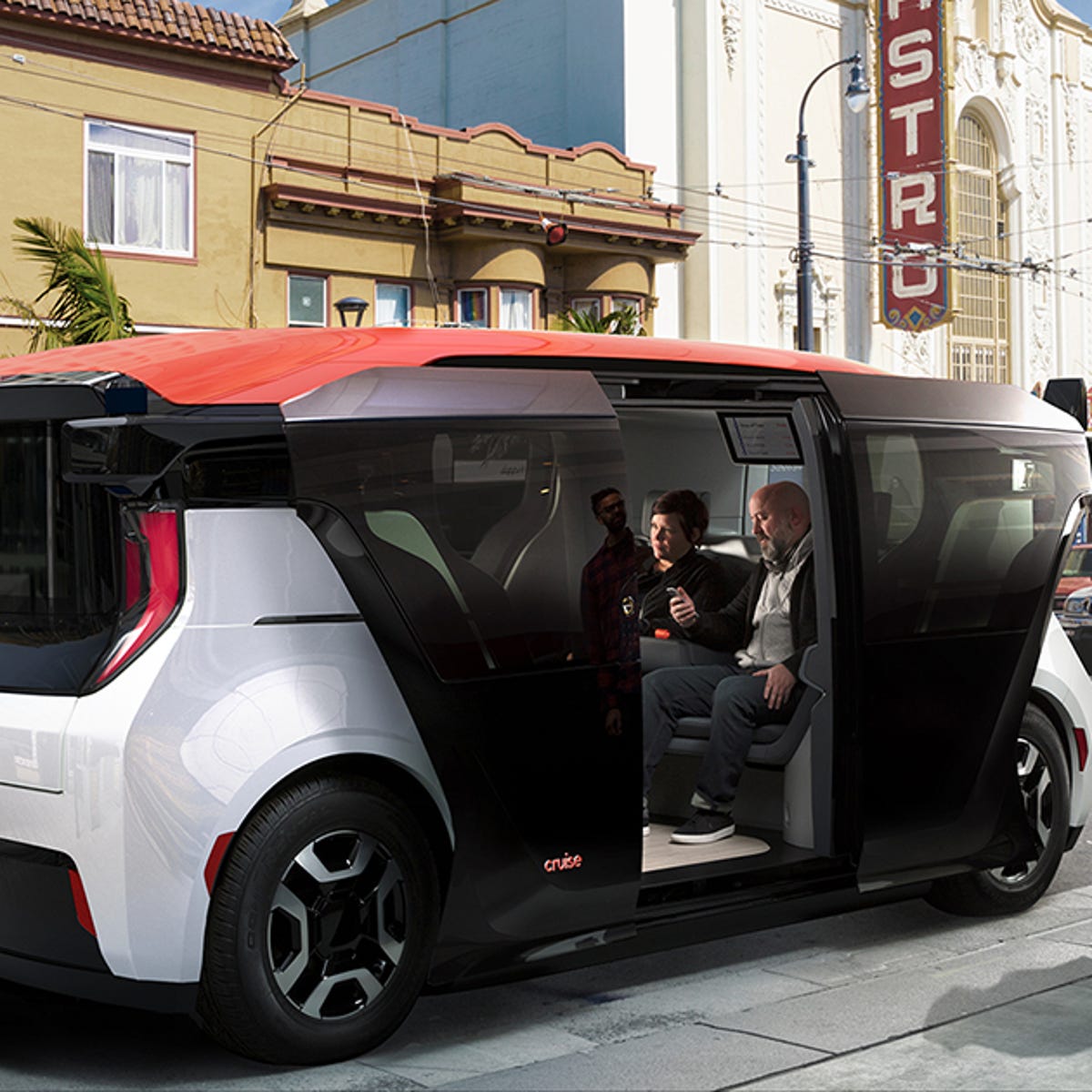
2. Cruise Origin Urban Efficiency
The Cruise Origin represents a paradigm shift in urban mobility, designed specifically for shared autonomous transport. Its compact, doorless layout maximizes passenger throughput while minimizing the physical footprint in dense city centers. This efficiency-focused design aims to reduce congestion and lower per-passenger emissions through optimized routing and high-density operations.
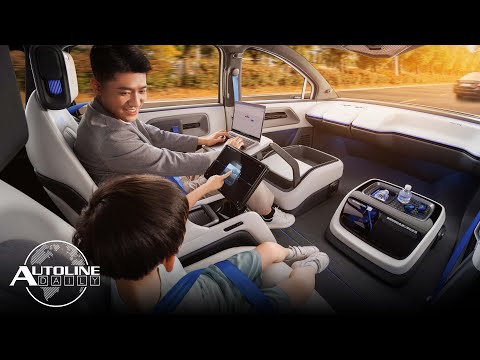
3. Tesla Model S Consumer Readiness
Tesla’s approach to consumer readiness focuses on integrating advanced driver-assistance systems into a familiar luxury sedan platform. The Model S serves as a testing ground for unsupervised full self-driving capabilities, allowing consumers to experience gradual autonomy transitions. This strategy bridges the gap between current assisted driving and future fully autonomous personal transportation.

4. Mercedes-Benz S-Class Certification
Mercedes-Benz has achieved significant milestones in conditional automation with its S-Class lineup, earning prestigious safety certifications. The vehicle’s sophisticated lidar and camera systems enable highway driving automation, setting a new standard for luxury autonomous experiences. This certification underscores the manufacturer’s commitment to integrating safety-first autonomous technologies into premium automotive platforms.

5. Motional Hybrid Human-AV Model
Motional’s hybrid model combines autonomous driving technology with remote human support for enhanced safety and reliability. This approach allows for immediate human intervention in complex or unexpected scenarios, bridging the gap between full autonomy and human-driven safety nets. The system is designed to build public trust while refining autonomous decision-making algorithms through continuous human oversight.

6. Baidu Apollo China Leadership
Baidu Apollo’s extensive testing in complex urban environments demonstrates scalable autonomous capabilities across high-density traffic. Their vehicle designs prioritize robust sensor fusion to navigate unpredictable road conditions, offering a blueprint for mass-market AV deployment in rapidly developing metropolitan areas.
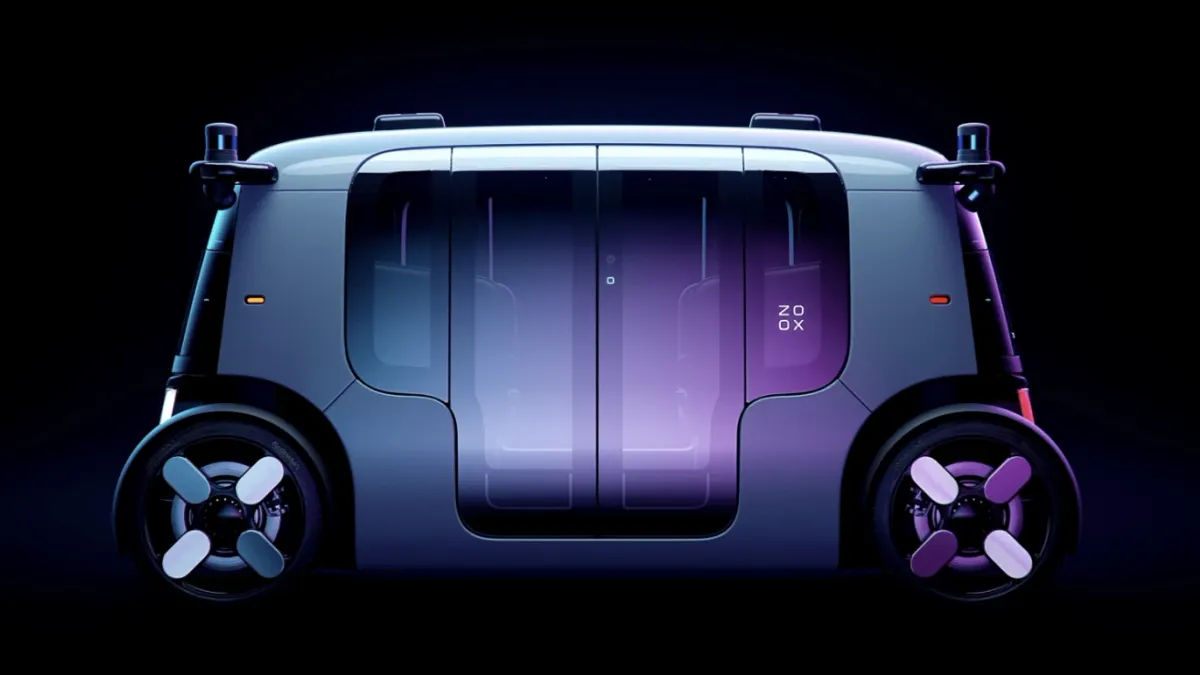
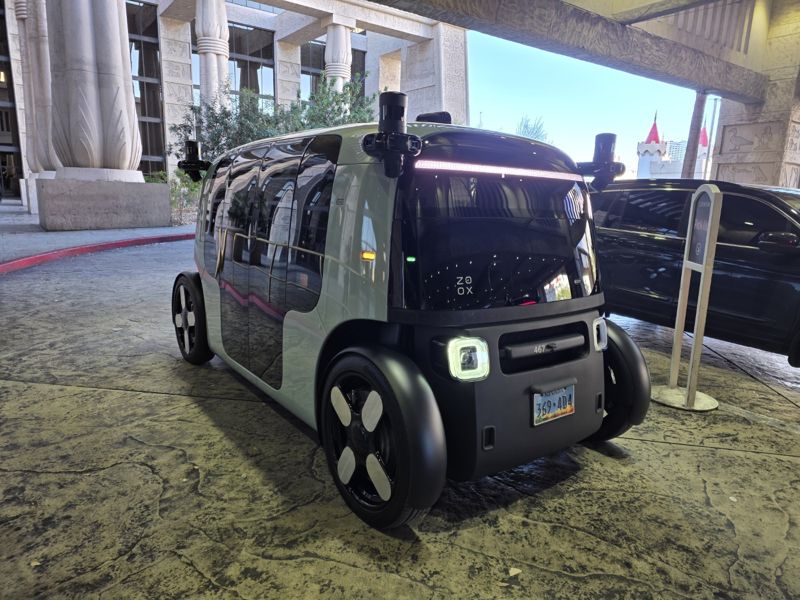
7. Zoox Purpose-Built Shuttle Design
Zoox abandons traditional steering wheels and pedals entirely, creating a bidirectional cabin optimized for passenger comfort rather than driver control. This radical engineering choice reduces interior footprint while maximizing usable space, setting a new standard for dedicated robotaxi architecture in shared mobility networks.
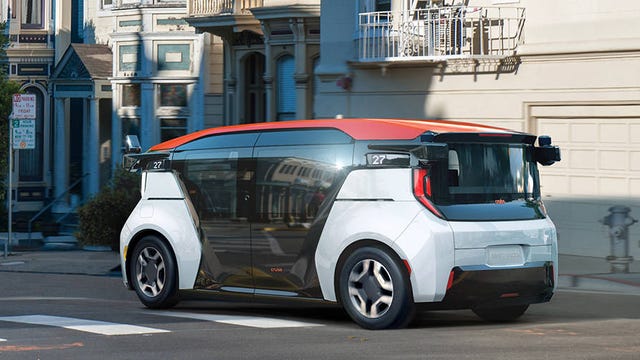
8. Cruise Origin Second Generation
The second-generation Cruise Origin refines its earlier iteration with enhanced safety redundancies and improved passenger accessibility features. By focusing on reliability metrics and simplified maintenance protocols, this purpose-built vehicle aims to establish consistent operational standards for large-scale autonomous ride-hailing services in dense urban centers.
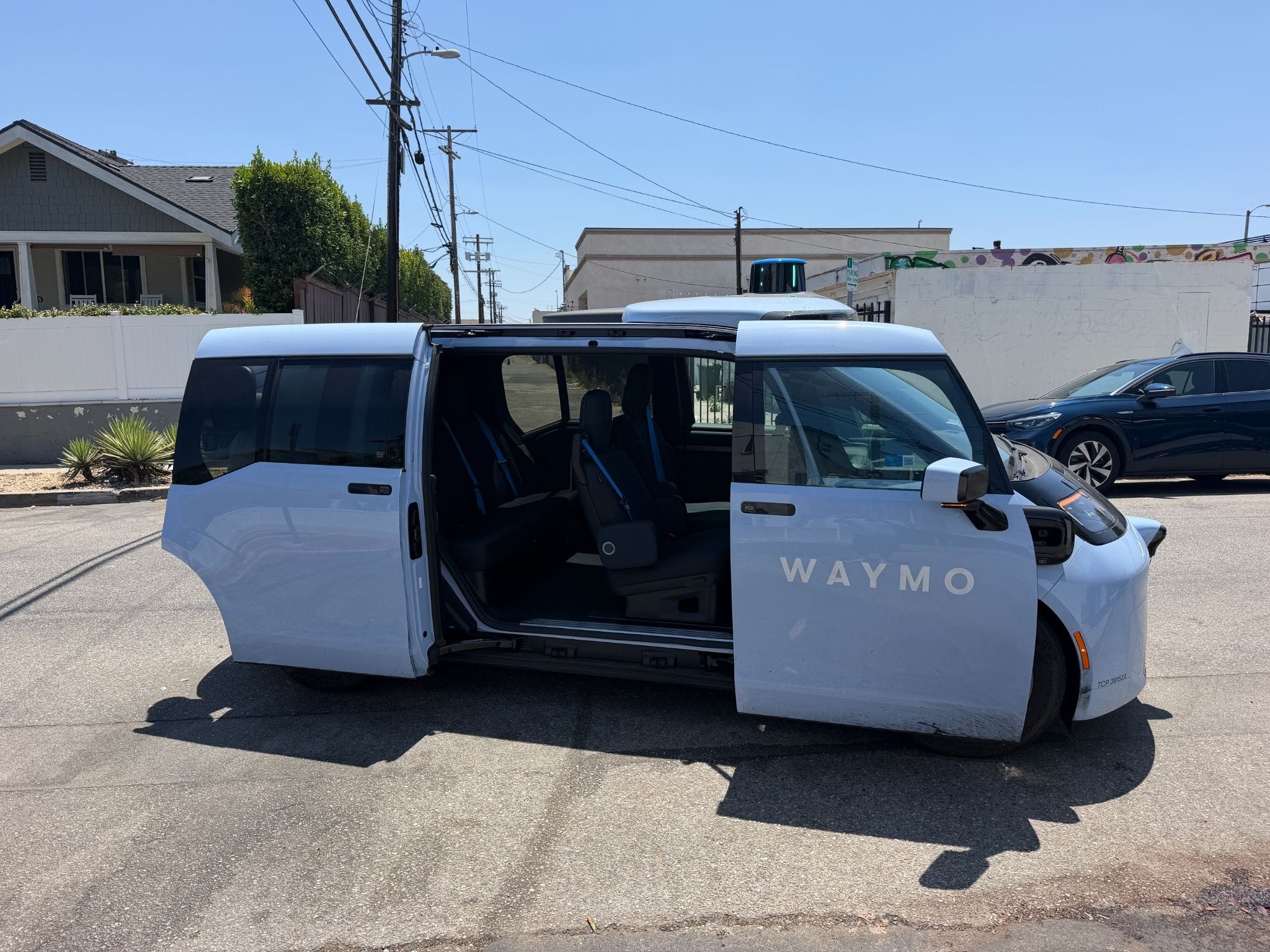
9. Waymo Jaguar I-Pace Expansion
Waymo’s integration of the Jaguar I-Pace expands its fleet diversity beyond custom-built units, leveraging established automotive manufacturing for broader geographic reach. This hybrid approach combines proven electric vehicle platforms with Waymo’s advanced driver-assistance systems, ensuring robust performance in varied weather conditions across multiple service cities.
10. Motional Hyundai Ioniq 5 Integration
Motional’s partnership with Hyundai utilizes the Ioniq 5’s dedicated electric vehicle architecture to support high-mileage autonomous operations. This collaboration emphasizes rapid charging infrastructure compatibility and durable battery management, critical for maintaining uptime in commercial ride-hailing environments where vehicle availability directly impacts service efficiency and user trust.
How we ranked the 2026 AVs
To build the 2026 AVS Leaderboard, we moved beyond marketing claims and evaluated each vehicle against a strict, three-part framework. Our methodology prioritizes real-world performance over theoretical capabilities, ensuring that every entry on this list represents a tangible step forward in autonomous safety and operational efficiency.
We assessed each model based on three core metrics:
- Safety Score: We analyzed crash avoidance data, sensor reliability in adverse weather, and the vehicle’s ability to handle edge-case scenarios without human intervention. This score reflects the system’s consistency in protecting passengers and pedestrians.
- Efficiency Rating: We measured energy consumption per mile, route optimization accuracy, and passenger throughput. A high-efficiency AV minimizes energy waste while maximizing the utility of the ride.
- Level 4 Readiness: We verified that each vehicle operates reliably within its designated operational design domain (ODD) without requiring driver takeover. This includes testing in dense urban environments and complex highway interchanges.
This approach ensures that the top ten autonomous vehicles listed here are not just technologically advanced, but are also practical, safe, and efficient choices for consumers and fleet operators alike. We focused on concrete data points rather than speculative future features, giving you a clear picture of what is available now.
NVIDIA DRIVE: The Silicon Backbone
NVIDIA’s DRIVE platform serves as the central nervous system for many leading autonomous vehicles. By consolidating sensor data processing, mapping, and AI decision-making onto a single system-on-chip (SoC), NVIDIA reduces hardware complexity and power consumption. This integration is critical for maintaining the high computational density required for real-time safety without draining vehicle batteries.
The DRIVE Orin and the next-generation Thor chips enable vehicles to process inputs from LiDAR, radar, and cameras simultaneously. This efficiency allows manufacturers to achieve higher levels of autonomy (SAE Level 3 and above) while keeping thermal management and energy usage within strict operational limits. For consumers, this translates to more reliable safety features and smoother, less power-intensive driving experiences.
For developers and enthusiasts interested in the hardware powering these systems, NVIDIA offers specialized kits for testing and development.


As an Amazon Associate, we may earn from qualifying purchases.
What the 2026 AVS Leaderboard Means
The 2026 AVS Leaderboard reveals a distinct shift in autonomous vehicle development. Safety has moved from a competitive advantage to a baseline requirement. All top-ranked models meet rigorous safety standards, making it the entry ticket rather than the winning strategy.
Efficiency is now the primary differentiator. The vehicles that lead the pack are those that optimize energy consumption and route planning without compromising passenger comfort. This focus on operational efficiency allows these AVs to scale more effectively and offer lower costs per mile.
Looking ahead, the leaderboard points toward the expansion of Level 4 autonomy. These vehicles are designed to operate without human intervention in specific, well-defined areas. This transition marks the move from testing phases to commercial deployment, where reliability and efficiency determine market success.
Frequently asked: what to check next
Are AVS autonomous vehicles available for purchase in 2026?
Yes, several Level 3 and Level 4 autonomous systems are commercially available in 2026. Buyers can purchase vehicles with advanced driver-assistance systems (ADAS) from major manufacturers like Mercedes-Benz, Tesla, and Waymo. These systems are designed for specific highway or geofenced urban environments, not unrestricted driving.
How safe are autonomous vehicles compared to human drivers?
Current AV safety metrics show significantly lower accident rates per mile driven than human-operated vehicles. Industry data from 2025-2026 indicates that Level 4 AVs have a 90% lower likelihood of collision in their designated operational design domains. However, human intervention is still required in complex, unstructured environments.
What is the cost of owning an autonomous vehicle in 2026?
The cost of AV technology has decreased, but it remains a premium feature. Base models with Level 2 autonomy are included in most new cars, while Level 4 systems add $10,000-$15,000 to the vehicle price. Subscription models for full self-driving capabilities range from $50 to $200 per month, depending on the manufacturer and service area.
No comments yet. Be the first to share your thoughts!