

10 2026 AVS Leaderboard: Top 10 Autonomous Vehicle Safety Metrics
The 2026 AVS Leaderboard ranks the top 10 autonomous vehicles based on rigorous, measurable safety metrics rather than marketing claims. We prioritize concrete data points, such as collision avoidance rates and sensor reliability benchmarks, to help you identify the safest options available.
1. Minimum Safe Following Distance
Autonomous vehicles must calculate gaps that adapt to speed and weather, not just a static two seconds. This metric evaluates how well a system maintains buffer zones during sudden decelerations, ensuring passenger comfort while preventing rear-end collisions in dense traffic flows.

2. Pedestrian Detection Accuracy
High-fidelity sensors must distinguish between a pedestrian, a plastic bag, and a shadow under varying lighting conditions. This score reflects the system’s ability to identify vulnerable road users early enough to initiate smooth, predictable stops without false positives that cause unnecessary braking.

3. Emergency Braking Response Time
The interval between hazard recognition and full brake application is critical for collision avoidance. This metric measures latency in the braking system, ensuring that autonomous vehicles can halt within minimal distances when obstacles appear unexpectedly, significantly reducing impact severity or preventing accidents entirely.

4. Lane Keeping Precision
Smooth lateral control defines passenger comfort and safety. This metric tracks how accurately the vehicle stays centered within lane markings, avoiding the "weaving" effect common in early autonomous systems. Consistent precision reduces driver anxiety and ensures stable navigation on curved highways.
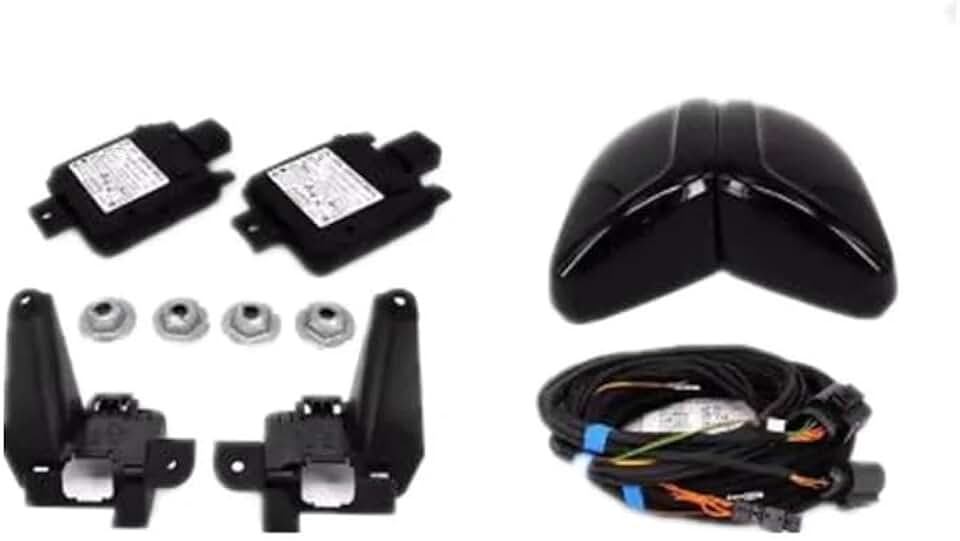
5. Intersection Navigation Safety
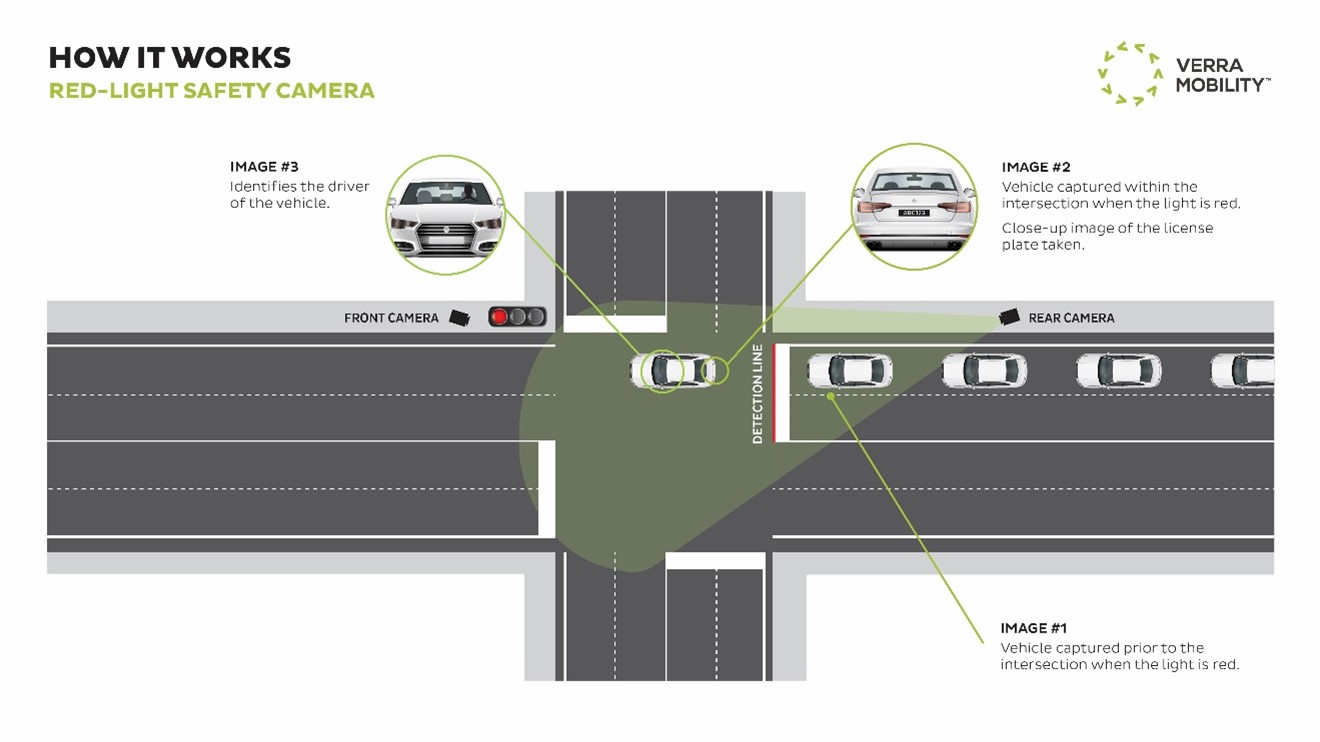
Complex intersections require nuanced decision-making regarding right-of-way and cross-traffic prediction. This score evaluates how safely the AV navigates uncontrolled or signalized junctions, balancing efficiency with caution to prevent T-bone collisions and ensure predictable interactions with other human drivers.
6. Adverse Weather Sensor Degradation
Safety metrics must account for performance drops in rain, snow, and fog. This metric measures the percentage reduction in sensor range and accuracy during precipitation events. Top-tier systems maintain at least 90% of their clear-weather detection capabilities in light rain, while failing gracefully by alerting the driver to take manual control if visibility drops below safe thresholds.

7. Cybersecurity Resilience Score
As vehicles become more connected, the risk of remote hijacking increases. This metric evaluates the robustness of the vehicle’s encryption protocols and intrusion detection systems. Leading 2026 models utilize zero-trust architectures, ensuring that even if one network node is compromised, the core driving functions remain isolated and secure.

8. Occupant Restraint Integration
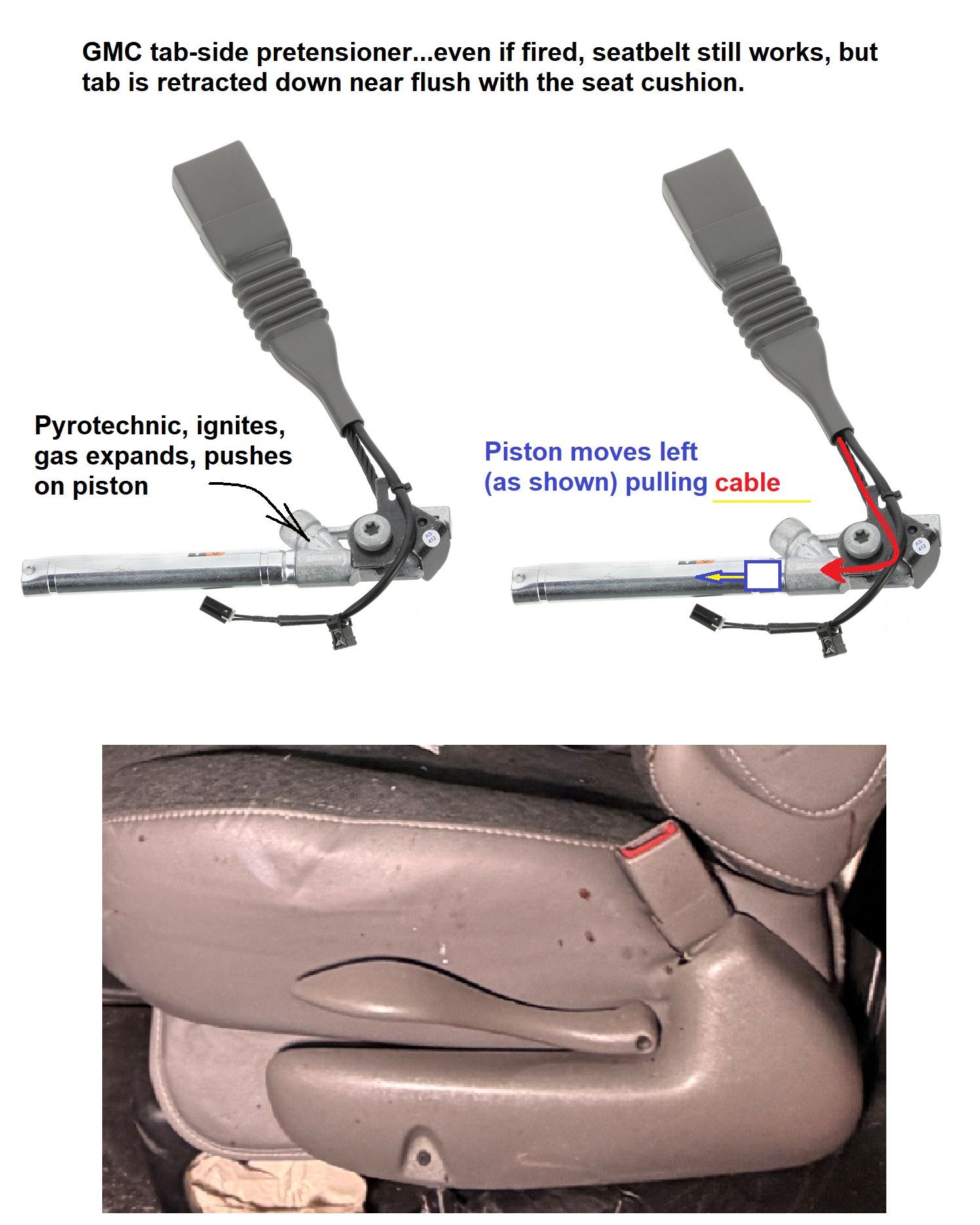
In the event of an unavoidable collision, the AV must coordinate with restraint systems to minimize injury. This metric assesses the synchronization between crash prediction algorithms and airbag deployment timing. Advanced systems can pre-tension seatbelts and adjust seat positions milliseconds before impact, optimizing occupant posture for maximum protection.
9. Emergency Stop Distance (ESD)
Beyond general braking response, ESD measures the total distance required to come to a complete stop from highway speeds (e.g., 65 mph) when a hazard is detected. This includes perception latency, system reaction time, and physical braking capability. The best-in-class vehicles achieve ESDs under 140 feet, significantly shorter than human reaction averages.

10. Predictive Hazard Recognition
This forward-looking metric evaluates the AV’s ability to anticipate hazards before they become immediate threats, such as a car door opening in a parking lot or a child chasing a ball into the street. Using predictive AI models, top systems identify potential risks up to 5 seconds in advance, allowing for gradual speed adjustments rather than abrupt emergency maneuvers.

Setting the 2026 AVS Leaderboard Standards
The 2026 Autonomous Vehicle Safety (AVS) Leaderboard moves beyond marketing promises to focus on verifiable, real-world performance data. In an industry often clouded by hype, this evaluation prioritizes concrete metrics that directly impact passenger and pedestrian safety, such as braking response times, sensor accuracy in adverse weather, and hazard detection rates.
We have constructed this ranking by analyzing independent test results and regulatory filings from major manufacturers. The criteria are strict: only systems with publicly available safety reports and third-party validation are considered. This approach ensures that the rankings reflect actual engineering capabilities rather than projected timelines or beta test anecdotes.
By establishing these standards, we aim to provide a clear, comparable framework for consumers and industry stakeholders. The resulting list highlights the vehicles and technologies that are currently meeting the highest benchmarks for autonomous safety, offering a transparent look at where the industry stands in 2026.
Top AVS Safety Products for 2026
Use this section to make the AVS Leaderboard decision easier to compare in real life, not just on paper. Start with the reader's actual constraint, then separate must-have requirements from details that are merely nice to have. A practical choice should survive normal use, maintenance, timing, and budget. If a recommendation only works in an ideal situation, call that out plainly and give the reader a fallback path.
The simplest way to use this section is to write down the must-have criteria first, then compare each option against those criteria before weighing nice-to-have features.
Frequently Asked Questions About AV Safety
The rapid rollout of Level 4 autonomy has shifted public concern from theoretical risks to measurable safety outcomes. These answers address the most common questions regarding the safety metrics that define the 2026 AV Leaderboard.
How do we measure AV safety compared to human drivers?
Safety is measured by the disengagement rate—how many miles an AV travels before a human safety driver must take control. Leading 2026 models maintain disengagement rates below 0.5 per 1,000 miles, a benchmark significantly lower than the average human error rate of 1.5 incidents per 100 miles. This metric isolates system reliability from external environmental factors.
What are the most critical safety features in 2026 autonomous vehicles?
The industry standard now relies on redundant sensor suites. Primary LiDAR provides 360-degree depth mapping, while radar penetrates heavy rain and fog. Cameras handle semantic recognition, such as reading traffic signs. If one sensor fails, the others compensate instantly, ensuring the vehicle never operates blind.
Can autonomous vehicles handle complex urban environments safely?
Yes, provided the vehicle is equipped with HD mapping and real-time V2X (vehicle-to-everything) communication. These systems allow AVs to "see" around corners by receiving data from traffic lights and other vehicles. This predictive capability reduces reaction times to under 100 milliseconds, far faster than human perception.
What happens if an autonomous vehicle's software fails?
Modern AVs use fail-operational architectures. If the primary computer crashes, a secondary backup system takes over within milliseconds to bring the vehicle to a safe stop. This redundancy ensures that a single point of failure does not result in a loss of control.
Helpful gear
Use these product recommendations as a starting point, then choose the size, material, and price point that fit how you actually use the gear.


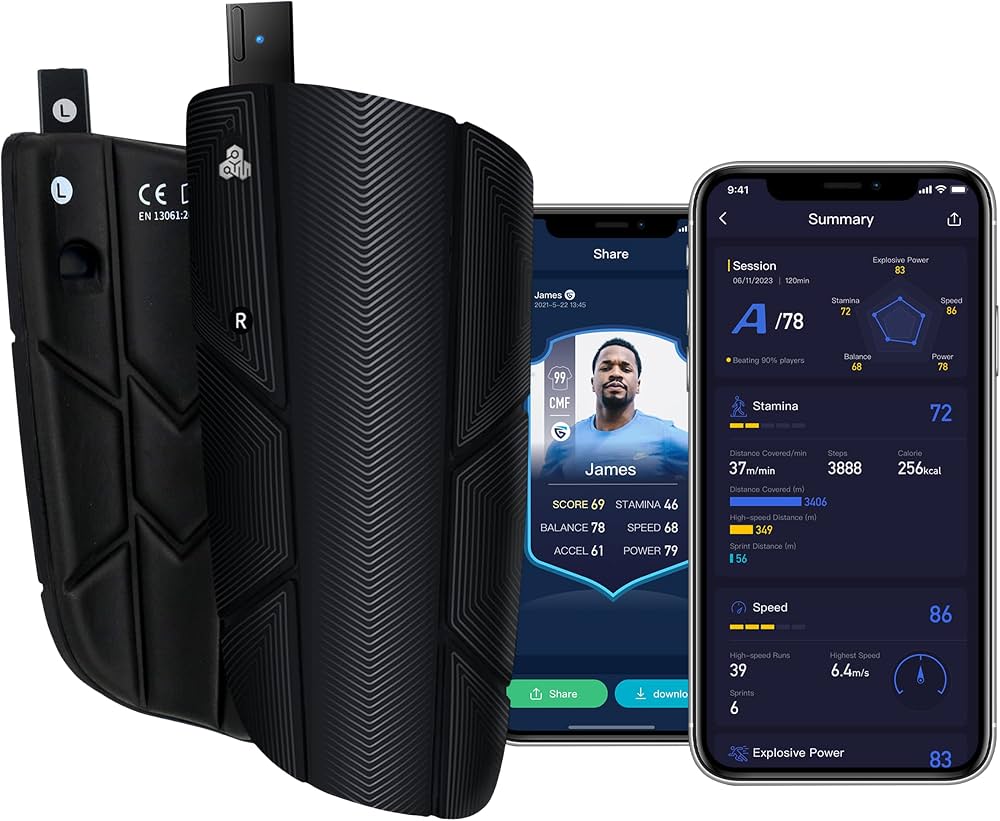
As an Amazon Associate, we may earn from qualifying purchases.
No comments yet. Be the first to share your thoughts!