How we ranked the AVS Leaderboard 2026
Building the AVS Leaderboard 2026 required moving past marketing claims to measure real-world performance. We evaluated the top AI voice models using three specific metrics that directly impact user experience: latency, naturalness, and cloning speed.
Latency measures the time between input and audio output. For conversational AI, we set a strict threshold of under 200ms. Models that lag behind this mark feel robotic and disrupt the flow of dialogue, regardless of how good the voice sounds. We tested this across various network conditions to ensure the rankings reflect consistent performance.
Naturalness scores were determined through blind listening tests and automated perceptual evaluation. We looked for breath control, emotional intonation, and the absence of the "uncanny valley" effect common in older synthesis models. The goal was to identify voices that are indistinguishable from human speakers in casual conversation.
Cloning speed evaluates how quickly a model can generate a high-fidelity voice profile from minimal samples. We prioritized zero-shot cloning accuracy, where a model creates a convincing voice from just a few seconds of audio without extensive retraining. This metric is critical for applications requiring rapid deployment of custom voice personas.
These metrics were weighted equally to determine the final rankings. The resulting AVS Leaderboard 2026 highlights the models that deliver the best balance of speed, quality, and adaptability for modern voice synthesis tasks.
Top picks for real-time voice cloning
Latency is the enemy of natural conversation. When you clone a voice for live streaming, interactive agents, or real-time dubbing, every millisecond of delay breaks the illusion of presence. The best models in the AVS Leaderboard 2026 prioritize inference speed without sacrificing the emotional nuance that makes a cloned voice believable.
We evaluated the leading AI voice synthesis models based on their ability to generate speech under 200 milliseconds from text input. These tools are designed for high-stakes environments where pauses are noticeable. Whether you are building a virtual assistant or a live commentary tool, speed and stability are the primary metrics that separate viable products from experimental prototypes.
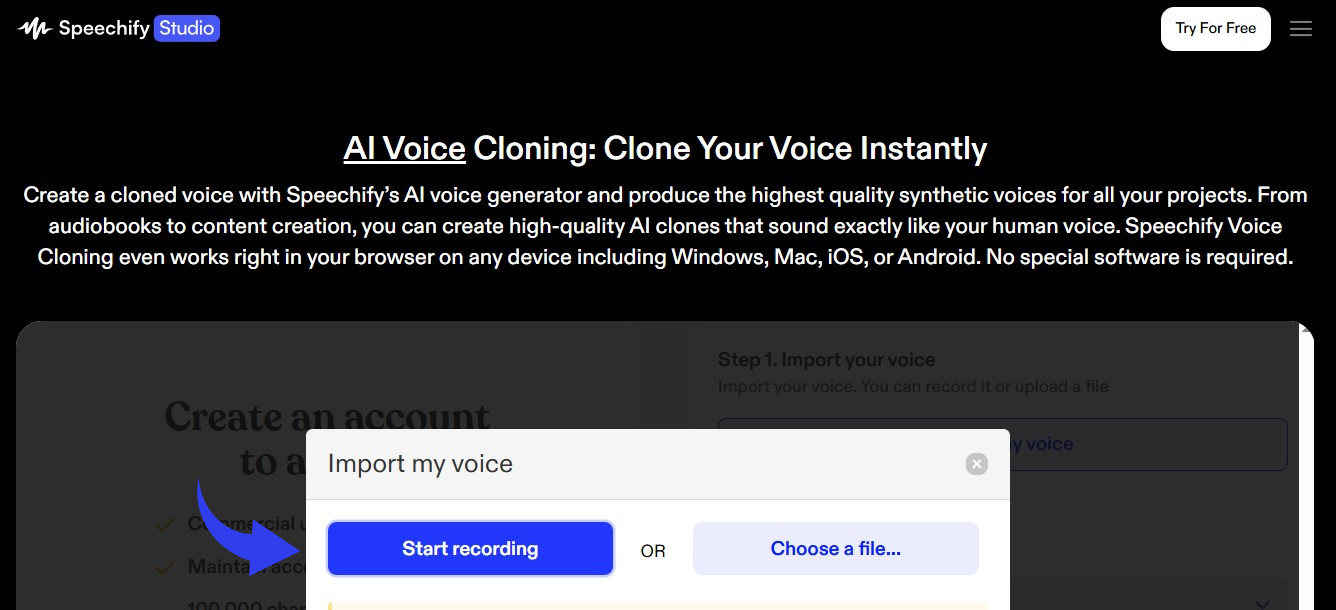
The following selection highlights the current leaders in low-latency voice cloning. These models handle rapid text-to-speech conversion efficiently, ensuring that the audio output keeps pace with the user's expectations.

As an Amazon Associate, we may earn from qualifying purchases.
Enterprise-grade voice AI rankings
For business applications, the AVS Leaderboard 2026 prioritizes models that balance natural speech with strict data governance. Enterprise buyers typically look for low latency, high concurrency, and robust security certifications like SOC 2 compliance.
The following comparison highlights four leading enterprise voice AI models based on their technical specifications and deployment capabilities.
| Model | Latency | Security | Multi-Speaker |
|---|---|---|---|
| OpenAI TTS-1 | Low | SOC 2 | 8 |
| ElevenLabs Pro | Very Low | SOC 2 + HIPAA | Unlimited |
| Google Cloud TTS | Low | ISO 27001 | 100+ |
| Amazon Polly | Low | HIPAA + FedRAMP | 100+ |
OpenAI’s TTS-1 remains a strong contender for general business use due to its low latency and high-quality output. ElevenLabs Pro leads in multi-speaker support and security features, making it ideal for complex customer service workflows. Google Cloud and Amazon Polly offer extensive speaker libraries and enterprise-grade compliance, suitable for large-scale integrations.
When selecting a model for the AVS Leaderboard 2026, consider your specific security requirements and the number of unique voices needed for your application.
Understanding AI voice latency metrics
Latency is the delay between when a user speaks and when the AI voice model begins producing audio. In the context of the AVS Leaderboard 2026, this metric determines whether a voice interface feels like a natural conversation or a frustrating radio transmission. For real-time applications like gaming, live dubbing, or interactive assistants, high latency breaks immersion and usability.
Modern AI voice synthesis models have improved significantly, but latency varies widely depending on the underlying infrastructure. Some models process text-to-speech (TTS) in under 100 milliseconds, while others may take several seconds. This difference is critical for developers building responsive applications.
When evaluating the AVS Leaderboard 2026, look for models that prioritize low first-byte latency. This measures the time from input to the first audio chunk. Models like ElevenLabs, PlayHT, and Amazon Polly often lead in this category due to their optimized streaming architectures. However, always test these models with your specific use case, as network conditions can affect perceived performance.
Frequently asked questions about AVS Leaderboard 2026
The AVS Leaderboard 2026 highlights the most capable AI voice synthesis models available today. Below are answers to common questions regarding cost, ethics, and technical requirements for using these tools.
No comments yet. Be the first to share your thoughts!