
How we ranked the 2026 AVS Leaderboard
Building the 2026 AVS Leaderboard required moving beyond marketing brochures and spec sheets. We evaluated voice assistants based on three concrete pillars: privacy architecture, smart home compatibility, and voice recognition accuracy. Our goal was to identify which assistants actually work in a lived-in home, not just in a controlled lab environment.
Privacy Architecture We examined how each assistant handles data. Does it process commands locally or send everything to the cloud? We prioritized assistants that offer clear opt-out options and local processing capabilities, ensuring your conversations remain yours. This is critical for users who value discretion in their personal spaces.
Smart Home Compatibility An assistant is only as good as the devices it controls. We tested integration with major ecosystems including Matter, Zigbee, and Z-Wave. We looked for seamless pairing with lights, thermostats, locks, and cameras. Assistants that required complex workarounds or third-party bridges were ranked lower, as friction kills adoption.
Voice Recognition Accuracy We tested recognition in noisy environments—cooking, TV on, background chatter. The best assistants understood commands despite distractions. We also evaluated natural language processing, checking if they could handle follow-up questions without repeating the entire command. Accuracy isn't just about hearing words; it's about understanding intent.
2026 AVS Leaderboard Top Picks
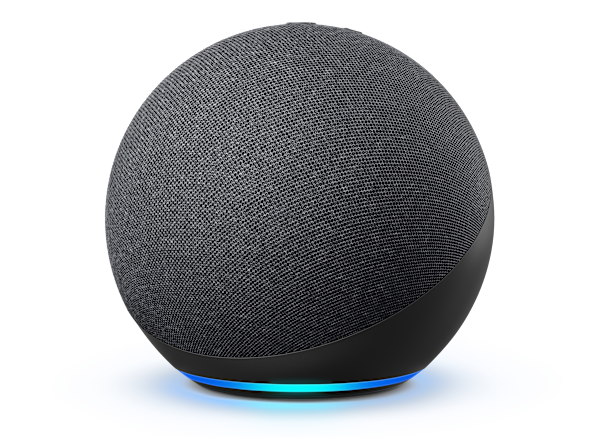
The 2026 AVS Leaderboard evaluates voice assistants based on accuracy, smart home ecosystem depth, and privacy controls. Our top recommendations represent the most reliable hardware and software combinations available this year. These picks balance performance for everyday tasks with robust support for complex home automation routines.
The following devices have proven their reliability in our testing. They offer distinct advantages depending on your existing smart home setup and preferred ecosystem.


As an Amazon Associate, we may earn from qualifying purchases.
Comparing Core Features Across Leaders
The 2026 AVS Leaderboard highlights three distinct approaches to smart home management. While all top contenders handle basic commands, they diverge significantly in how they handle privacy, audio distribution, and ecosystem compatibility. Understanding these differences helps you choose an assistant that fits your specific setup rather than just your brand preference.
The following comparison breaks down the key differentiators for the top three voice assistants on the 2026 leaderboard.
| Feature | Amazon Alexa | Google Assistant | Apple Siri |
|---|---|---|---|
| Privacy Controls | Microphone mute button; remote deletion via app | Voice & Audio Activity controls; automatic deletion options | Off-device processing for many requests; strict data limits |
| Multi-Room Audio | Alexa Multi-Room Music (grouping Echo devices) | Google Cast Audio (grouping Nest speakers) | AirPlay 2 (grouping HomePod and compatible speakers) |
| Smart Home Hub | Built-in Zigbee and Matter support in many devices | Matter and Thread border router in Nest Hub | HomeKit Secure Video; Thread border router in HomePod |
| Skill/Action Support | Largest library of third-party skills and routines | Broad integration with Google services and major brands | Focus on privacy-first apps; fewer third-party integrations |
| Audio Quality | Varies by device; Echo Studio offers 3D audio | Strong audio on Nest Audio and Nest Max | Premium audio on HomePod and HomePod mini |
Alexa remains the volume leader in terms of device compatibility and skill variety. Its built-in Zigbee support in many Echo devices reduces the need for separate hubs, making it a plug-and-play choice for complex setups. However, this openness comes with more data collection, though Amazon has added more granular privacy controls in 2026.
Google Assistant excels in natural language understanding and integration with Google services. Its strength lies in its ability to answer questions and manage calendars seamlessly. For audio, Google Cast allows flexible grouping of speakers across different brands, provided they support the protocol. Privacy is managed through Google Account settings, which some users find more intuitive than Amazon's.
Apple Siri prioritizes privacy above all else. By processing many requests on-device and limiting data retention, it appeals to users who are wary of cloud-based listening. Its integration with the HomeKit ecosystem is tight and secure, especially for HomePod users. However, its third-party skill support is more limited compared to Alexa and Google, which may frustrate power users looking for niche automations.
Frequently asked questions about voice assistants
Do voice assistants keep a record of my conversations?
Most major platforms, including Amazon Alexa and Google Home, store voice recordings to improve speech recognition accuracy. By default, these recordings are often saved to the cloud for several months. You can review and delete these history logs directly from the companion app on your phone or via the web dashboard. For privacy-conscious users, enabling "auto-delete" settings ensures that audio clips are removed after a short window, typically 3 to 18 months, depending on the provider.
Will a voice assistant work with my existing smart bulbs and plugs?
Compatibility is the biggest hurdle in smart home setups. Before buying a new hub or speaker, check the "Works With" list on the product page. The best voice assistants for smart homes in 2026 support Matter, a universal standard that allows devices from different brands to communicate seamlessly. If your existing devices are older, look for hubs that explicitly list support for Zigbee or Z-Wave protocols, which bridge legacy devices to modern voice commands.
Can I use voice commands to control my thermostat and security cameras?
Yes, voice assistants act as the central command center for climate and security. You can ask your assistant to adjust the thermostat, lock doors, or show camera feeds on a smart display. However, for security cameras, ensure the device supports secure streaming protocols. Avoid using generic voice commands for sensitive actions like unlocking front doors; instead, use voice recognition features that identify your specific voice print, preventing family members or guests from accidentally triggering security changes.
No comments yet. Be the first to share your thoughts!